China Top 10 uPVC Door Brands Why Is My Door Hard to Lock?

Time:2026-11-25 Author:Sienna
0%

A uPVC door should close smoothly, with the handle moving without a hard pull or a sudden stop. When the key will not turn, or the handle feels stiff, the problem may be alignment rather than a failed lock. Why is my uPVC door difficult to lock is a common question, but there is rarely one answer. A door that has dropped slightly on its hinges can leave the locking points pressing against the frame. A swollen or compressed gasket, loose handle, or worn cylinder may also affect operation. Small details matter.

This guide looks at China’s top 10 uPVC door brands and the features buyers can compare, including frame construction, hardware options, weather sealing, after-sales support, and published product information. Brand reputation can help, but it does not guarantee a perfect fit or trouble-free locking. Installation and regular adjustment matter too. That part is easy to overlook. We will also explain practical checks, such as noticing whether the door locks when open but resists when closed. Avoid forcing the handle or key; excessive pressure can damage components. If adjustment does not resolve the issue, a qualified door technician can inspect the hinges, keeps, and locking mechanism. A careful diagnosis is better than guessing.
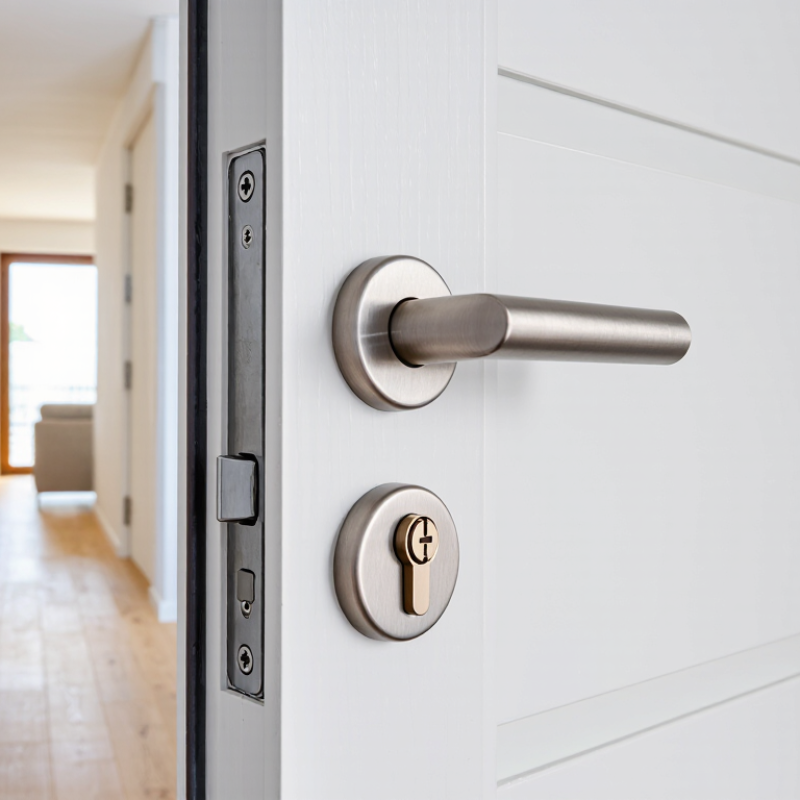
China Top 10 uPVC Door Brands Why Is My Door Hard to Lock?

How to Compare China’s Top 10 uPVC Door Brands Using Verified Test Data

A fair comparison of China’s top 10 uPVC door brands starts with test reports, not sales claims. Look for reports from identifiable independent laboratories, with test dates, sample sizes, and the exact door configuration recorded. Compare like with like: frame dimensions, glazing, seals, hardware, and installation method can change results. Small details matter.

For a door that feels hard to lock, check test data on operating force and repeated opening cycles, alongside air leakage and wind-pressure performance. These measures can reveal whether a tested unit stayed functional under defined conditions, but they cannot diagnose a door already installed in your home. A dropped sash, tight hinges, or a shifted strike plate may cause resistance. Ask whether the report covers the same lock type and profile you are considering. Check the paperwork.

A high score is not proof that every unit will perform equally well. Test results describe specific samples, not every production run or installation. I would treat missing reports, unclear methods, or unmatched configurations as limits—not automatic evidence of poor quality. Record the test standard and result for each supplier, then compare the evidence side by side.

Why Is My uPVC Door Hard to Lock?

How to read this: Rigid PVC’s typical linear thermal expansion coefficient is approximately 50–80 μm/(m·°C). The bars show the calculated expansion range for a one-meter profile as temperature changes. Frame movement can affect lock alignment, but actual results vary by profile, installation, and conditions. This material reference is not a brand comparison or a substitute for verified product testing.

How a uPVC Multipoint Lock Engages Hooks, Rollers, and Keeps

A uPVC door can feel difficult to lock when its multipoint mechanism is not meeting the frame cleanly. On many designs, lifting the handle moves rods inside the door. These drive hooks and rollers outward into keeps fitted along the frame. The hooks help secure the door; rollers press it against the weather seals. Turning the key then locks the mechanism in place. Details vary by design.

Small alignment changes matter. If the door has dropped slightly, a hook may catch the edge of its keep instead of entering smoothly. You might hear scraping, feel the handle resist, or notice the key turn only when you push the door inward. Don’t force it. Repeated pressure can strain the handle or gearbox, and the first apparent fix may not address worn parts or loose hinges. Check whether the resistance changes with the door open; if it does, frame alignment may be involved. If it persists, a qualified door technician can inspect the mechanism.

Tips: Close the door gently and watch whether each locking point meets its keep. Keep the keeps clear of grit, and use only lubricant suited to the lock manufacturer’s guidance. Avoid adjusting hinges or keeps by guesswork; a small change can shift several locking points.

China Top 10 uPVC Door Brands Why Is My Door Hard to Lock? - How a uPVC Multipoint Lock Engages Hooks, Rollers, and Keeps

A multipoint lock typically operates several locking points from one handle or key. Exact layouts and adjustment methods vary by door and lock type.

Symptom Possible cause What may be happening inside the lock Safe check and next step
The handle lifts easily while the door is open but feels stiff when closed. Door or frame alignment may be preventing the locking points from entering their keeps freely. Hooks, rollers, or other locking points may be rubbing against the edges of the frame keeps. Compare handle movement with the door open and closed. If it works open but binds closed, have the alignment and keep positions checked.
The door needs to be pushed or pulled while lifting the handle. The sash may be sitting unevenly, or the seals may be applying excess resistance. The locking points may not line up cleanly with their keeps until pressure shifts the door. Do not force the handle. Check for visible sagging or uneven gaps; seek a door technician if alignment needs adjustment.
The handle moves only part of the way and then stops. A locking point may be obstructed, misaligned, or restricted by a fault in the operating mechanism. The central gearbox and connecting strip may not be able to complete the locking cycle. Check for visible debris around the keeps and remove loose dirt. If the stop remains, avoid repeated force and arrange an inspection.
The key turns, but the door does not lock securely. The cylinder may be operating while one or more multipoint locking points fail to engage fully. Turning the key does not necessarily confirm that every hook, roller, or other point has seated in its keep. With the door closed, check whether the handle reaches its normal position and whether the key completes its turn without force. Have incomplete engagement assessed.
A hook or roller catches on the keep as the door closes. The locking point and its matching keep may be out of alignment, or the door may have shifted. Hooks need clearance to enter their keeps; rollers need to pass into the corresponding openings without binding. Look for fresh scrape marks near the keep. Do not bend locking parts; have the door alignment or keep position checked.
The key or handle has become harder to operate gradually. Wear, dirt, changing alignment, or inadequate maintenance may be contributing. Increased friction anywhere in the cylinder, gearbox, connecting strip, or frame keeps can make the full cycle feel stiff. Check operation with the door open to help distinguish frame binding from mechanism resistance. Follow the lock maker's care instructions; do not use an unsuitable lubricant.
The handle feels loose or does not return normally. A handle fixing, spring, or internal operating part may be worn or loose. The handle may not transmit enough movement to drive the locking strip through its full travel. Check for visible looseness without dismantling the lock. If the handle still fails to return or move the points fully, arrange repair.
The door locks when lifted by hand but not with the handle. The handle, gearbox, or linkage may not be transferring motion correctly. Multipoint locking points are usually driven together through a central mechanism and connecting strip. Do not operate exposed parts by hand as a workaround. Have the handle and lock mechanism inspected for a failed connection or worn component.
The door closes but rattles or feels loose when locked. Roller settings, keeps, seals, or door alignment may need attention. Locking points may engage without drawing the door evenly against the seals, depending on the hardware design. Check for uneven gaps and visible movement. Adjustment should follow the hardware instructions to avoid excessive compression or binding.
The lock suddenly jams, or a locking point appears damaged. A broken or displaced component, foreign object, or sudden alignment change may be involved. The connected locking strip may be blocked, so one fault can prevent several points from completing their travel. Stop operating the lock if parts are visibly damaged or the door cannot be secured. Contact a qualified door-lock technician.

Safety note: A multipoint lock should engage smoothly without excessive force. If the door will not lock securely, do not rely on the key turn alone; have the locking points and their keeps inspected.

Why a uPVC Door Is Hard to Lock: Test the Handle, Key, and Door Separately

When a uPVC door becomes hard to lock, test the handle, key, and door separately. Keep the door open and lift the handle. If it moves smoothly, the handle and multipoint mechanism may be working; if it feels stiff or catches, stop forcing it. A stiff handle can point to worn parts or a mechanism that needs attention. This check is useful, but it cannot identify every fault.

Next, try the key with the door open. If it turns easily, close the door gently and test again. A key that sticks only when the door is shut often signals misalignment: the door may have dropped slightly, or the locking points may be rubbing against the keeps. Look for scrape marks around the frame. Also check whether the door sits evenly against its seals. Don’t twist the key hard; it can snap.

If the key remains stiff with the door open, the cylinder or lock may be worn. Avoid spraying general-purpose oil into the keyway, since residue can attract dust. A suitable lock lubricant may help, but persistent resistance needs a qualified locksmith or door technician. These tests narrow things down; they do not prove the exact cause. A small alignment adjustment can matter more than it seems.

Measure Frame Reveals and Hinge Drop Before Adjusting the Lock

A uPVC door that feels hard to lock may be misaligned, not faulty. Before adjusting the lock, inspect the frame reveal: the narrow gap between the door sash and frame. Close the door gently and compare the gap at the top, middle, and bottom on both sides. A ruler or feeler gauge helps. Note the measurements; do not rely only on how the door looks. A visibly uneven reveal can point to sash movement or frame distortion.

Check the hinges for drop as well. Look for rubbing marks near the lower corner, loose fixings, or a sash that sits lower on the handle side. Measure the reveal before and after any adjustment, changing one hinge at a time. Small movements matter. Then test the handle with the door open and closed. If it works smoothly when open but catches when shut, alignment is a stronger suspect than the lock itself. These checks are not perfect, especially on older frames, so avoid forcing the handle. If the sash is badly sagging or the frame looks bowed, ask a qualified door technician to inspect it.

Check Seal Drag: EN 12207 Class 4 Allows ≤3 m³/(h·m²) at 100 Pa

A uPVC door that needs a shoulder shove may be fighting its seals, not just its lock. As the sash closes, a swollen or displaced gasket can drag against the frame and stop the hooks aligning with their keeps. Check for shiny rub marks, flattened corners, or a seal that has slipped from its channel. A paper strip should grip fairly evenly around the closed door. Not everywhere, perhaps—but a loose patch is a useful clue.

EN 12207:2016 classifies air permeability, not locking effort. For Class 4, the limit at 100 Pa is 3 m³/(h·m²) of specimen area, or 0.75 m³/(h·m) of opening-joint length. EN 1026 describes the pressure-test method behind that classification. These figures are useful benchmarks, but they do not prove that a door is easy to operate: a tight seal can still create friction, and a good leakage result cannot rule out hinge sag or a misadjusted keep. Small distinction. Before changing hardware, close the door slowly and watch whether the sash lifts, drops, or presses hard into one corner. A seal may be the culprit, but I would not assume it is.

FAQS

Why is a uPVC door hard to lock?

The handle, key, door alignment, or seals may be causing resistance. Test each separately. These checks narrow things down, but they cannot confirm every fault.

How can I check whether the handle is stiff?

Keep the door open and lift the handle. Smooth movement suggests the mechanism may be working. If it catches, stop forcing it. Parts may be worn.

What does it mean if the key turns easily with the door open?

Close the door gently and try again. If the key sticks only when shut, the door may be misaligned. Look for scrape marks near the keeps.

What if the key is stiff even with the door open?

The cylinder or lock may be worn. Avoid general-purpose oil, which can attract dust. A suitable lock lubricant may help. Persistent resistance needs a qualified technician. Keys break.

How can I tell if the door seal is dragging?

Look for shiny rub marks, flattened corners, or a gasket slipping from its channel. A paper strip should grip fairly evenly around the closed door. A loose patch is a clue, not proof.

Does a tight seal mean the lock should work smoothly?

No. A tight seal can create friction and stop locking points aligning. A good air-leakage result cannot rule out hinge sag or a misadjusted keep.

What does EN 12207 Class 4 measure?

It classifies air permeability, not locking effort. At 100 Pa, the limit is 3 m³/(h·m²) of specimen area. It is also 0.75 m³/(h·m) of opening-joint length.

What should I watch when closing the door?

Close it slowly. Check whether the sash lifts, drops, or presses hard into one corner. A small alignment adjustment may matter more than expected. I would not assume the seal is the cause.

Conclusion

Choosing a uPVC door should involve more than comparing appearance or price. Review verified test data for air permeability, water resistance, security, and durability, and compare results under consistent conditions. A multipoint lock secures the door when its hooks and rollers move into matching keeps along the frame; even a small alignment problem can make the handle or key feel stiff.

If you wonder, “Why is my uPVC door difficult to lock,” test the handle, key, and door separately to identify where resistance occurs. Check the frame reveals for even gaps and look for hinge drop before adjusting the lock. Also consider seal drag: compression seals can add resistance when the door closes, while EN 12207 Class 4 specifies air permeability of no more than 3 m³/(h·m²) at 100 Pa. Careful measurements and test results help distinguish normal seal pressure from misalignment or a lock problem.

Sienna

Sienna

Sienna is a skilled marketing professional with a deep expertise in our company’s core products and services. With a passion for innovation and detail, she plays a pivotal role in crafting insightful blog posts that not only highlight the unique features of our offerings but also provide valuable......