When considering home improvement, a common question arises: "What are the standard sizes for internal residential doors?" Understanding these dimensions is crucial for homeowners and builders alike. According to renowned architect Sarah Johnson, “Correct door sizing ensures not only functional but aesthetic harmony in any space.”
In China, standard sizes can vary, but certain measurements are widely accepted. The most common door height is 2,000 mm, with widths typically ranging from 600 mm to 1,200 mm. This versatility caters to different architectural styles and interior designs. For compact spaces, narrower doors may be preferred, while wider options suit grander interiors.
However, it's not always straightforward. Builders might face challenges when custom sizing is needed. Some might overlook that older homes may require modifications to fit modern standards. It's essential to measure carefully. Ensuring that your doors fit well can enhance comfort and functionality in any residential setting.
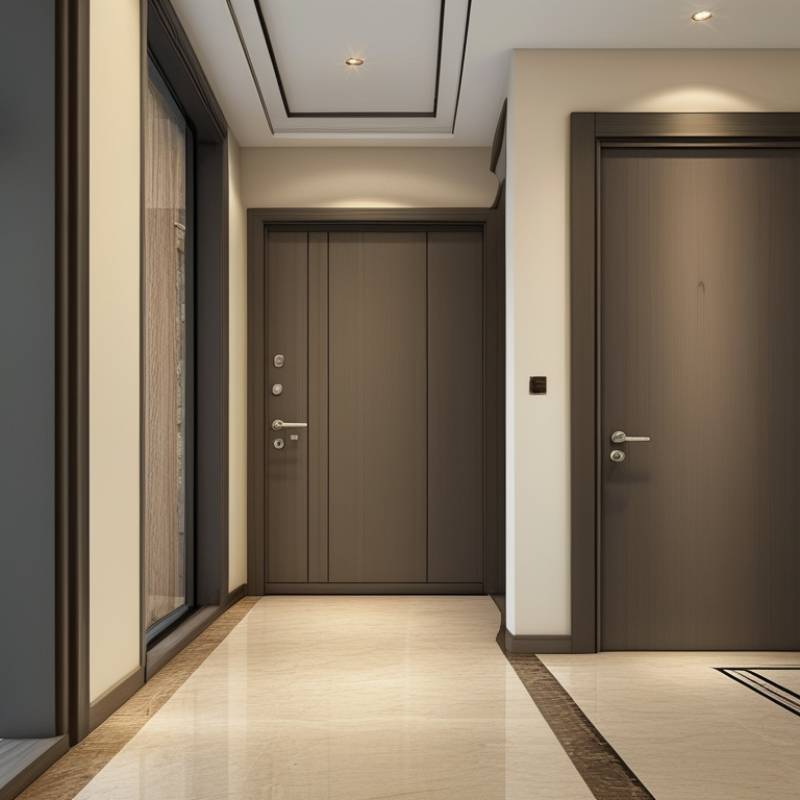
When choosing internal residential doors in China, standard sizes play a crucial role. Generally, the most common door size is 200 cm in height and 80 cm in width. However, variations do exist. Some homeowners may opt for narrower doors, measuring around 70 cm. This can pose challenges, especially in terms of accessibility for wider furniture.
The thickness of the doors is also worth mentioning. Standard thickness typically ranges from 4 cm to 10 cm. Thicker doors often provide better insulation and soundproofing. However, they can be heavier and more difficult to install. It is essential to consider the frame size, as well. Frames should be compatible with the door size and material chosen.
Over time, trends may shift. While standard sizes are popular, custom options are also gaining traction. Buyers may want to reflect on their specific needs. It is important to ensure that the selected door meets both practical requirements and aesthetic preferences. Balancing these factors can lead to better decision-making in home design.
When selecting internal residential doors in China, understanding the common materials is crucial. Most doors are made from wood, hollow core, and PVC. Solid wood doors offer natural aesthetics and durability. They provide excellent insulation but can be heavy and expensive. Hollow core doors are lighter and more cost-effective, ideal for interior use. However, they may lack the same level of soundproofing as solid doors.
PVC doors are becoming popular for their affordability and water resistance. They're lightweight and easy to maintain but may not have the same aesthetic appeal as wood. Choosing the right material depends on your needs and budget. Think about the style of your home and the door's purpose.
**Tip:** Always consider the door's weight and durability. A lighter door may work well in a children's room, while a heavier door might be better for a private study.
When looking for doors, pay attention to local building codes. These may dictate dimensions and materials. Always measure the door frame accurately to avoid fit issues.
**Tip:** Consult with professionals if unsure about materials or design. Their expertise can save time and help avoid costly mistakes.
In China, internal residential door sizes often follow established measurement standards and regulations. Typically, door widths range from 80 cm to 100 cm, with a standard height of 210 cm. These dimensions ensure compatibility with most residential designs. A common thickness for internal doors is 4.5 cm. This combination provides a balance between aesthetics and functionality.
However, not all doors adhere strictly to these dimensions. Some manufacturers may produce non-standard sizes for unique architectural needs. It's essential to consider local building codes as they can influence required door measurements. The lack of uniformity can lead to installation challenges. Homeowners should be cautious when selecting doors that might not fit existing frames.
Design aspects also play a role in door measurements. Oversized doors can make a space feel grand but may complicate installation. Conversely, smaller doors can limit accessibility. Builders and designers must weigh these factors carefully. A standard size might not always be the best choice for every home. Adjustments may be necessary for optimal aesthetics and function.
When selecting internal doors in China, various design styles cater to different tastes. One popular style is the minimalist door. This design focuses on clean lines and simplicity. It often features a flat surface, lacking intricate moldings. Many homeowners prefer this look for modern spaces.
Traditional Chinese doors are another notable option. They often showcase wooden craftsmanship, with intricate carvings. These designs reflect rich cultural heritage. They add a unique character to any home. However, such doors may require more maintenance over time.
Sliding doors are increasingly popular in contemporary homes. They save space and offer a sleek appearance. Some homeowners find them convenient but may miss the charm of a traditional swing door. Each design comes with its pros and cons, highlighting the importance of personal preference in door selection.
When selecting internal residential doors, several factors influence the choice of size. Room dimensions often dictate door size. Smaller spaces may require standard sizes to maintain flow. Larger rooms might benefit from wider doors, adding a sense of grandeur. The height of the ceiling can also guide decisions. For instance, higher ceilings may look disproportionate with standard-sized doors.
Beyond aesthetics, functionality plays a role. Accessibility standards often recommend wider doors for aging residents or individuals with disabilities. Consider the layout of the room as well. Doors swinging into tight spaces can cause inconvenience. It's crucial to measure the area and think about ease of movement.
Tips: Always measure your door frame accurately before making a purchase. Consider exploring custom sizes if you have unique dimensions. And don't overlook the style; a door that complements your home enhances its overall appeal. Keep practicality in mind while making your choice, as aesthetics should not compromise functionality.
: Typically, door widths range from 80 cm to 100 cm, with a height of 210 cm.
Some manufacturers create custom sizes for unique architectural needs, impacting installation.
Building codes can dictate specific requirements, leading to variations in door measurements.
Popular styles include minimalist, traditional Chinese, and sliding doors, each with distinct features.
Consider room dimensions, ceiling height, and accessibility. Measure your door frame accurately.
Yes, oversized doors may complicate installation and could make spaces seem unbalanced.
Wider doors are recommended for accessibility, especially for aging residents or those with disabilities.
Ensure practicality. Aesthetics should not compromise essential functions and ease of movement.
Different styles offer various benefits. Choose what resonates with your taste and needs.
Yes, traditional wooden doors with intricate designs often require more upkeep than simpler styles.
This article provides a comprehensive overview of standard sizes for internal residential doors in China, addressing the common dimensions typically used in households. It highlights that the most prevalent sizes are often 80cm x 200cm and 90cm x 200cm, which cater to various room requirements. Additionally, the article discusses the materials commonly used for these doors, such as solid wood, plywood, and MDF, emphasizing their durability and aesthetic appeal.
Furthermore, it delves into measurement standards and regulations that govern door production in China, ensuring quality and safety. The piece also touches upon popular design styles that are favored in contemporary Chinese homes, as well as factors influencing door size selection, including room function, architecture, and personal preference. In summary, anyone asking "What are the standard sizes for internal residential doors" will find a clear guide through this article, along with insights into materials, design, and relevant standards.

RZ door