When considering home improvements, the choice of patio doors can greatly impact your space. "How to choose between bifold and sliding patio doors" is a question many homeowners face. In 2026, this decision is even more significant, as design trends and energy efficiency considerations evolve.
Bifold doors offer a seamless transition between indoors and outdoors. They fold neatly to one side, creating an open space. This feature can enhance social gatherings and natural light. On the other hand, sliding doors provide convenience and space-saving benefits. They glide effortlessly on tracks, making them ideal for smaller areas. Users should assess their needs carefully.
It's essential to think about climate and usage. Bifold doors might not be as practical in harsh weather conditions. Sliding doors could struggle with airflow in certain setups. Reflecting on these factors can lead to a clearer choice. Ultimately, each option has its merits and drawbacks. Finding the right patio door means considering lifestyle, aesthetics, and functionality.
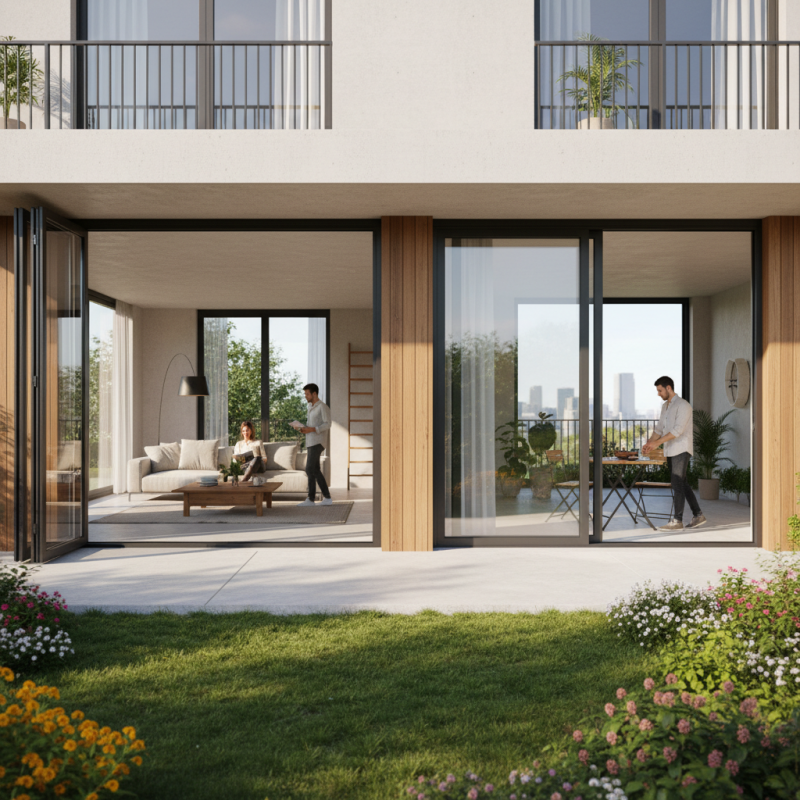
When considering bifold and sliding patio doors, there are key differences to ponder. Bifold doors fold open, creating a wide entry. They can enhance natural light and offer a seamless connection to the outdoors. However, they require ample space to operate efficiently. This can be a challenge in smaller areas.
Sliding patio doors, on the other hand, glide open along a track. They save space since they don’t need room to swing. This is crucial in tighter spots where every inch counts. They also provide a sleek and modern look. Keep in mind that sliding doors might allow less airflow than bifold options.
Both styles have their merits and potential downsides. Bifold doors may be more expensive to install and maintain. They can also be heavy and require regular cleaning. Sliding doors, while easier to manage, can accumulate dirt on the track. Some homeowners feel overwhelmed by these choices. It’s important to evaluate your space and lifestyle needs carefully before making a decision.
When choosing between bifold and sliding patio doors, design significantly impacts the decision. Bifold doors offer a visually appealing solution. They fold neatly away, creating a wide opening. This feature enhances indoor and outdoor flow. The sleek lines of bifold doors can modernize any space, making it feel larger. However, they require ample wall space to operate fully. If your layout doesn’t allow for this, it might pose a problem.
Sliding patio doors, on the other hand, provide a different aesthetic. They glide smoothly along a track, taking up less room. Their minimalist design can complement traditional and contemporary homes alike. With large glass panels, they offer impressive views and ample natural light. However, they can sometimes feel cumbersome. Full access to your outdoor area may be limited.
Consider how each option fits into your lifestyle. Bifold doors may be ideal for entertaining. But, if space is a constraint, sliding doors become enticing. Reflecting on your needs is essential in making the right choice. Each style carries its unique advantages and drawbacks. Make sure the design aligns with your vision for your space.
When choosing between bifold and sliding patio doors, space is a crucial factor. Bifold doors can fold neatly to the side, creating an open and airy feel. They work well in larger spaces, offering a wider opening. However, if your area is smaller, sliding doors may be a better option. They glide smoothly and require less room to operate.
Evaluating your available area can help you avoid pitfalls. A common mistake is to underestimate the clearance needed for bifold doors. They need space to fully open and fold. On the other hand, sliding doors often need posters to ensure they function correctly. They can sometimes obstruct sightlines if not positioned thoughtfully.
Think about furniture placement, too. Surrounding furniture can impact foot traffic and usage. It may feel cramped if doors don’t open fully. Reflection on how you’ll use the space matters. Are you hosting guests often? Or is this more about daily access? Understanding your lifestyle helps you make a more informed choice.
When selecting between bifold and sliding patio doors in 2026, energy efficiency is crucial. Bifold doors usually allow more natural light, making spaces feel larger. However, they can have more seams, potentially leading to air leaks. Sliding doors have a solid frame that provides better insulation. This makes them a strong contender for those prioritizing thermal performance.
Consider the materials used in each door style. Fiberglass or aluminum can enhance efficiency but may vary in cost. Ask yourself how much insulation a particular design offers. Are you comfortable with the trade-offs? Bifold doors might not seal perfectly, requiring occasional maintenance. Meanwhile, sliding doors can be straightforward but might not open as widely. Always weigh your preferences against energy efficiency.
| Door Style | U-Factor (W/m²K) | Solar Heat Gain Coefficient (SHGC) | Air Leakage (Cfm/ft²) | Average Cost ($) |
|---|---|---|---|---|
| Bifold Doors | 1.2 | 0.35 | 0.08 | 2500 |
| Sliding Doors | 1.5 | 0.29 | 0.06 | 2100 |
When choosing between bifold and sliding patio doors, cost is a crucial factor. Bifold doors usually require a higher upfront investment. Their intricate design and multiple panels contribute to this cost. In contrast, sliding doors often present a more budget-friendly option with simpler installation requirements. However, don't overlook potential long-term costs. Maintenance and energy efficiency should be considered.
Tips: Consider the material. Some materials can elevate installation costs but save money on repairs over time. Assess your space. Larger openings may benefit from bifold doors, enhancing aesthetics. Yet, smaller spaces might align better with sliding doors, maximizing function.
Evaluate energy costs too. Bifold doors may offer better insulation, keeping your home warmer. Sliding doors might save money upfront, but could lead to higher heating bills. Think about your lifestyle; if entertaining is common, bifold doors can create an open space. Yet, sliding doors might suit those preferring simplicity without compromise on light. Reflect on your priorities to make a more informed choice.
: Design impacts your decision. Bifold doors look appealing but need space. Sliding doors save room and are minimalist.
Bifold doors offer a wide opening and modern look. Sliding doors have large glass panels for views but may feel bulky.
They require ample wall space to open fully. Lack of space might hinder functionality and accessibility in smaller areas.
Yes, if not placed thoughtfully. Ensure furniture placement allows for easy movement around the doors.
Sliding doors often have better insulation. Bifold doors may allow more light but can have air leaks.
Reflect on usage. Will you host often or need daily access? Your needs impact the door's functionality.
They need maintenance and may not seal perfectly. Additionally, they can take up significant space.
Yes, they need posts for support. While straightforward, they may occasionally require adjustments for smooth gliding.
Fiberglass and aluminum usually offer better thermal performance. Consider your budget when selecting materials for doors.
Underestimating space needs for bifold doors is common. Also, think about furniture placement to avoid cramped areas.
When considering how to choose between bifold and sliding patio doors, there are several key factors to evaluate. Firstly, the aesthetic appeal of each style plays a significant role in your decision, as different designs can dramatically impact the overall look of your home. Secondly, it is essential to assess the available space and accessibility; bifold doors typically require more wall space to open fully, while sliding doors offer a more compact solution.
Energy efficiency is another critical consideration, as both styles can vary in thermal performance, potentially impacting your heating and cooling costs. Lastly, budgetary constraints will influence your choice, with costs differing for installation and materials between bifold and sliding doors. By carefully weighing these factors, you can make an informed decision that best suits your needs and preferences in 2026.

RZ door