Choosing the right material for front doors in cold climates is crucial for both comfort and energy efficiency. Optimal insulation can significantly reduce heating costs. As we face extreme weather, the question arises: what is the best material for front doors in cold climates?
Consider materials that resist heat transfer. Wood is warm and aesthetically pleasing but can warp. Fiberglass offers durability and excellent insulation. Steel provides strength but may lack insulation unless carefully designed. Each material has pros and cons.
In colder regions, the door's style and functionality are vital. Low-quality materials may lead to drafts and increased energy bills. Researching options is essential. Understanding your climate helps you make informed decisions. After all, a well-chosen front door can enhance your home's value and safety.
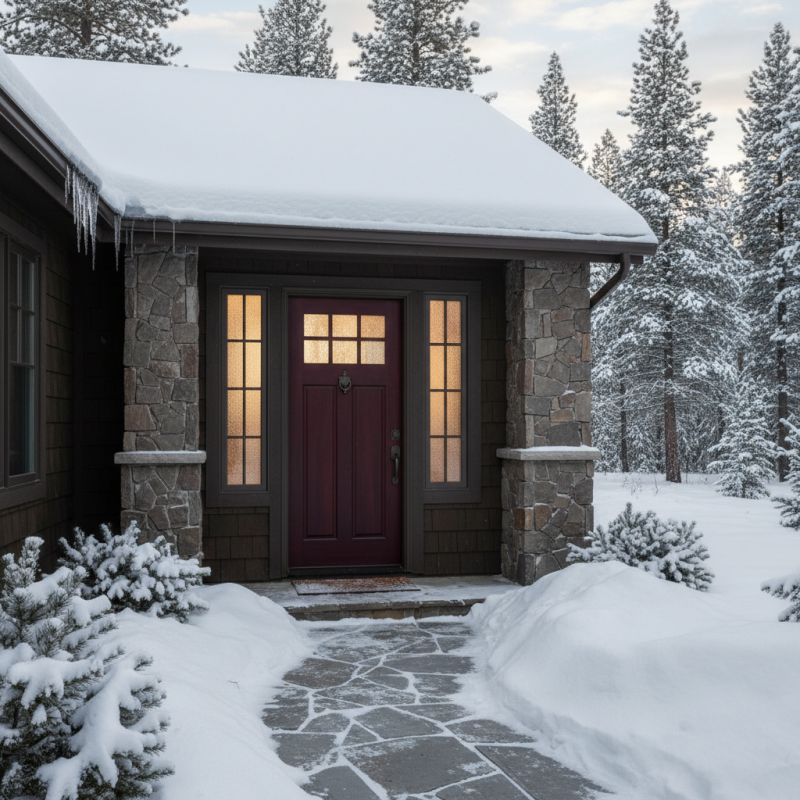
When selecting front door materials for cold climates, several critical factors come into play. Insulation ability is paramount. Materials with high insulation values, such as fiberglass, can significantly reduce heat loss. According to the Department of Energy, heat loss through doors is responsible for up to 30% of energy use in homes. This means the right material can lead to substantial energy savings.
Durability is another essential element. Cold weather can subject front doors to severe conditions, including snow, ice, and extreme temperatures. Steel doors offer excellent resilience against these elements. A report from the National Association of Home Builders suggests that steel doors have a lifespan of 30 years or more in harsh climates. This longevity can offset initial costs in the long run.
Aesthetic considerations also matter. Homeowners often seek materials that complement their architectural style while providing functionality. Wood doors are attractive but may warp in extreme cold. In contrast, composite materials mimic wood's appearance without the drawbacks. Considering aesthetics alongside performance is essential in making a well-rounded decision. It's vital to weigh these aspects carefully and not overlook the long-term implications of your choice.
When selecting front doors for cold climates, insulation properties are critical. Different materials offer varying levels of thermal efficiency. According to energy efficiency studies, fiberglass doors typically exhibit R-values between 5.0 to 7.0. In contrast, wood doors have R-values ranging from 3.0 to 5.0, depending on thickness and density. Steel doors, while often more cost-effective, provide R-values around 2.0 to 4.0 unless insulated with a foam core.
It's essential to consider not only the R-value but also the door's air leakage potential. A report by the U.S. Department of Energy highlights that air leaks can significantly diminish a door's insulation effectiveness. For cold climates, ensuring a tight seal is just as important as the material's R-value. This means that even a high-R-value door can perform poorly if it doesn’t fit properly or lacks adequate weather stripping.
Moreover, durability plays a role in long-term insulation performance. Wood doors may warp or crack over time, leading to increased energy loss. Fiberglass doors, being resistant to moisture, present a more reliable long-term investment in energy efficiency. Ultimately, the choice of material should balance insulation properties, durability, and overall fit for optimal performance in cold environments.
Choosing the right material for front doors in cold climates is crucial for durability and weather resistance. Materials like fiberglass, metal, and wood each offer unique benefits and drawbacks. Fiberglass stands out for its excellent insulation properties, reducing heat loss. Its surface can mimic wood grains, making it visually appealing. However, it might not be as strong against heavy impact.
Metal doors, often made from steel, provide robust security and can withstand extreme weather. They resist warping and cracking better than wood. On the downside, they can dent and may lose insulation efficiency if not properly insulated.
Wood doors radiate warmth and charm. They can fit any aesthetic and are easily customizable. However, they need regular maintenance to prevent rot and cracks. Wood is susceptible to temperature changes, which can be problematic in severe climates. Evaluating these options requires careful thought about each material's lifespan and required upkeep. Consider local climate conditions as they play a significant role in your door's longevity.
Choosing the best material for front doors in cold climates involves careful consideration of cost and energy efficiency. While wood may offer aesthetic appeal, it requires significant maintenance over time. Resins and fiberglass options are low-maintenance and can provide better insulation. They often have a higher initial cost but can lead to substantial energy savings.
Investing in steel doors might be appealing due to their durability and security. However, they typically lack adequate insulation unless upgraded with foam cores. This could mean higher heating bills. A deeper analysis of your budget versus long-term savings is essential. In regions with extreme winters, inexpensive doors might result in excessive energy loss.
Think about the long-term implications of your choice. Materials that seem cost-effective might not perform well in heavy snow or freezing temperatures. Energy-efficient doors can significantly cut heating costs. Investing upfront can lead to savings over time, but it's crucial to consider your specific climate and home needs.
| Material Type | Initial Investment ($) | Average Lifespan (Years) | Maintenance Costs/Year ($) | Energy Savings/Year ($) | Total Cost Over Lifespan ($) | Net Savings Over Lifespan ($) |
|---|---|---|---|---|---|---|
| Fiberglass | 2500 | 30 | 100 | 200 | 5500 | 3000 |
| Steel | 1800 | 20 | 70 | 150 | 4400 | 2000 |
| Wood | 3000 | 25 | 150 | 100 | 4850 | 1850 |
| Aluminum | 2200 | 15 | 50 | 120 | 4300 | 1800 |
Choosing eco-friendly materials for front doors in cold climates can enhance energy efficiency.
Wood, fiberglass, and steel are common choices. However, sustainable options offer significant benefits.
Wood is a renewable resource, especially when sourced from managed forests. Studies show that sustainably harvested wood can have a
28% lower carbon footprint than traditional materials. It provides insulation, essential in colder areas. Proper sealing of wooden doors
minimizes heat loss, making wood both practical and eco-friendly.
Fiberglass doors present another sustainable option. They can be designed to mimic wood and provide excellent insulation. A report from the U.S. Department of Energy highlights that
fiberglass doors can reduce energy costs by up to 15%. Similarly, steel doors, when combined with a high R-value core, offer durability and efficiency.
Opting for doors made from recycled steel further reduces environmental impact.
While there are many options, it’s essential to assess your local climate conditions. Not all materials suit every situation perfectly.
Conducting a cost-benefit analysis may reveal gaps in expected performance. Ultimately, the best choice balances aesthetics, functionality, and sustainability.
: Think about the material's cost, energy efficiency, and maintenance needs.
They require significant maintenance and may lead to higher energy costs over time.
Fiberglass can mimic wood, offering excellent insulation and reducing energy costs by up to 15%.
Steel doors are durable and secure but may need foam cores for better insulation.
Sustainable wood can lower the carbon footprint, while recycled materials help reduce environmental impact.
Yes, investing upfront can lead to significant long-term savings on energy bills.
Absolutely, as not all materials perform well in extreme weather conditions.
Yes, cheaper doors often lead to excessive energy loss in cold climates.
They could still fail to insulate properly, leading to higher heating expenses.
Proper sealing minimizes heat loss, enhancing insulation and energy efficiency.
When considering what is the best material for front doors in cold climates, several factors come into play. The selection process heavily relies on insulation properties, with materials like fiberglass and steel often outperforming wood and aluminum in retaining heat. Durability and weather resistance are also crucial, as these doors must withstand harsh winters and varying weather conditions over time.
Additionally, a cost-benefit analysis reveals that while initial investments for high-quality materials may be higher, the energy savings gained from better insulation can lead to long-term financial benefits. Sustainable options are increasingly available for eco-conscious homeowners, ensuring that one can choose efficient and environmentally friendly materials. Ultimately, the best choice balances insulation, durability, cost, and sustainability.

RZ door