Why Choose the Best Door Type for Narrow Hallways?

Time:2026-06-10 Author:Charlotte
0%

Choosing the right door type for narrow hallways can significantly impact your space's functionality and aesthetics. Many homeowners face the question, "Which door type is best for narrow hallways?" The answer involves considering various factors, such as available space, design preferences, and how often the door will be used.

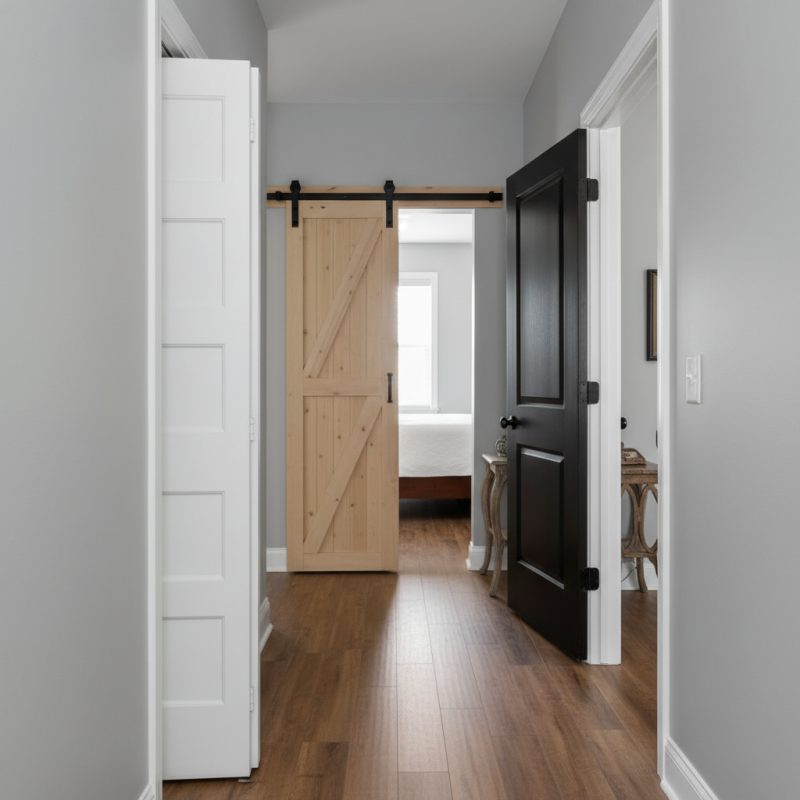
Narrow hallways often present unique challenges. Traditional swinging doors may take up valuable space, limiting movement. In contrast, sliding doors or bi-fold doors can offer solutions. These options provide efficient access while preserving the hallway’s flow and functionality.

However, selecting the best door is not always straightforward. Misjudging the size or style can lead to a door that feels out of place. Additionally, maintaining a cohesive design throughout your home is essential. Therefore, a thorough understanding of your space and door options is vital. By carefully weighing your choices, you can enhance both the practicality and visual appeal of your narrow hallways.
Why Choose the Best Door Type for Narrow Hallways?

Understanding the Importance of Door Types in Narrow Hallways

Narrow hallways often present unique challenges when it comes to selecting door types. Choosing the right door can enhance aesthetics while ensuring functionality. A well-chosen door can create a seamless flow and maximize available space. It is essential to consider clearance, swing direction, and overall style in these compact areas.

Tips for narrow hallways: Opt for sliding doors, as they do not require swing space. They provide access without compromising valuable hallway footage. Pocket doors are another excellent option, sliding into the wall and thus eliminating obstacles. Make sure the doors are lightweight, allowing for easy operation in confined spaces.

Moreover, door material matters. Lightweight materials are preferable for minimizing strain when opening and closing. However, they must still maintain security and durability. Reflecting on your choice can lead to better results. Sometimes, door styles that seem appealing may not function well in a narrow space. Test different types to find the best fit for your hallway.

Evaluating Space Constraints and Accessibility Needs

Choosing the right door type for narrow hallways is crucial. Space constraints can greatly affect movement and accessibility. When a hallway is limited in width, selecting a door that opens into the room rather than out can create more space to walk. Pocket doors are a smart solution. They slide into the wall, freeing up floor space.

Accessibility is another major concern. Door width should accommodate various mobility devices. Standard doors can feel cramped. Instead, consider bi-fold doors or sliding options which provide a wider opening. This approach enhances usability for everyone.

Tips: Measure the hallway width first. Ensure the door type can accommodate it effectively. Check for thresholds that could create barriers for mobility aids. Finally, assess how the door swings or slides in relation to interior features like furniture, ensuring a practical flow.

Comparing Door Styles: Sliding vs. Folding vs. Swinging

When choosing doors for narrow hallways, you must weigh the pros and cons of various styles. Sliding doors often win due to their efficiency. According to a 2022 report by the National Association of Home Builders, sliding doors save precious space, important in cramped areas. Their tracks allow easy access without encroaching on hallway space. However, they might not offer the same level of insulation as traditional doors.

Folding doors, on the other hand, provide a unique blend of functionality and aesthetics. They can open up entirely, making a small space feel larger. A 2021 survey by the American Institute of Architects indicated that homeowners appreciated how folding doors enhance natural light in narrow hallways. Despite this, they can be more complex to install and may raise concerns over durability over time.

Swinging doors are the traditional choice but can restrict movement. They require a clear path to swing open, which can complicate narrow spaces. While they offer a classic look, a report from the Building Research Establishment highlighted that they can result in wasted space. This illustrates that each door style has distinct advantages and drawbacks, and careful consideration is vital for narrow hallways.

Door Type Comparison for Narrow Hallways

This chart compares three popular door types suitable for narrow hallways based on their space efficiency. Sliding doors score the highest due to their minimal space requirements, followed by folding doors, while swinging doors are less efficient in tight spaces.

Design Considerations for Aesthetics and Functionality

When designing for narrow hallways, door type selection is crucial for aesthetics and functionality. The right door can create a seamless flow while ensuring accessibility. Many homeowners overlook how a door's design impacts the overall space. For example, sliding doors can save precious square footage, while hinged doors may block the pathway when opened.

Tips: Consider using pocket doors. They disappear into the wall, maximizing limited space. Another option is bi-fold doors, which open inwards and occupy less area. These designs provide more flexibility in tight areas.

Another aspect to think about is the material. Lighter materials can create a more open feel. Glass panels in doors allow light to travel, brightening the hallway. However, they may require regular cleaning to keep visibility clear.

It's also essential to consider the door's height. A taller door can make the hallway appear more spacious. But, it might not suit everyone's taste. Balancing personal style and functionality is key. Choosing the right door for a narrow hallway can enhance both utility and appeal, but it requires careful consideration of various factors.

Maximizing Natural Light and Ventilation in Narrow Spaces

Narrow hallways often pose challenges for light and ventilation. Choosing the right door type can greatly enhance these aspects. For example, glass panel doors can effectively introduce natural light into dark corners. Their design allows sunlight to flow through, brightening up the entire space. Consider placing such doors at the ends of hallways where light can enter.

Ventilation is another critical factor. Traditional solid doors can restrict airflow. Opting for doors with vents or louvers can help maintain a fresh ambiance. This promotes better air circulation in otherwise cramped spaces. Plus, they create a more open feel without sacrificing privacy. Remember, keeping narrow hallways airy and bright requires thoughtful choices.

However, not every door style will fit every hallway. Some designs may clash with existing interior aesthetics. It's important to measure and visualize how a new door will change the space. The challenge lies in balancing functionality with style. Each decision carries weight in optimizing a narrow hallway's potential. Every small detail counts when enhancing natural light and air in tight areas.

FAQS

: What types of doors are recommended for narrow hallways?

: Sliding doors are preferred as they don't need swing space. Pocket doors also work well by disappearing into the wall.

How do sliding doors benefit narrow spaces?

They save space and allow easy access without blocking the hallway area. This design maximizes available footage.

What are the pros of folding doors?

Folding doors enhance natural light and can open up entirely. They create an illusion of more space.

Are swinging doors suitable for narrow hallways?

Swinging doors can restrict movement and require clear pathways. They may waste space in tight areas.

What should I consider regarding door materials?

Lightweight materials are ideal for ease of use. However, they still need to be secure and durable over time.

How can door height affect a narrow hallway?

Taller doors can create a sense of spaciousness. Yet, they might not fit everyone’s aesthetic preference.

What design elements should I focus on for functionality?

Choose designs that minimize obstruction, and consider functionality along with aesthetics. Your choice can impact flow and accessibility.

Why is it important to test different door styles?

Not all appealing styles function well in a narrow space. Testing can identify the best fit for your specific hallway.

What challenges may arise with door installation?

Some door types, like folding doors, can be complex to install. This might require professional assistance.

How can glass panels in doors be beneficial?

They allow light to seep through, brightening the hallway. However, they may require frequent cleaning to maintain clarity.

Conclusion

Choosing the right door type for narrow hallways is crucial for maximizing space and ensuring accessibility. Understanding the importance of door types in these constrained areas is essential, as well as evaluating specific space constraints and accessibility needs. When considering which door type is best for narrow hallways, one must compare options such as sliding, folding, and swinging doors, each with its own advantages in terms of space utilization and ease of use.

Additionally, design considerations play a significant role in blending aesthetics with functionality. It's important to select a door type that enhances the narrow space while maximizing natural light and ventilation. By weighing these factors, homeowners can make informed decisions that improve both the practicality and visual appeal of their narrow hallways, ultimately enhancing the overall living experience.

Charlotte

Charlotte

Charlotte is a seasoned marketing professional with a deep understanding of the company's portfolio and a passion for elevating its presence in the market. With a keen eye for detail and a commitment to excellence, she ensures that our professional blog is regularly updated with insightful articles......