In the quest for the best materials for home construction, homeowners often find themselves pondering, "Why choose WPC doors over traditional timber?" According to Mark Johnson, a leading expert in sustainable building materials, "WPC doors offer unmatched durability and aesthetics that timber simply can't match." This statement encapsulates the growing preference for WPC (Wood Plastic Composite) doors.
WPC doors are engineered to resist moisture, warping, and pests. Unlike traditional timber, which can be vulnerable to rot and mold, WPC provides a stable alternative. The composite structure ensures longevity and minimal maintenance. However, it's important to recognize that not all WPC products are created equal. Some may lack the authenticity of real wood, and the initial price point can be a concern for budget-conscious homeowners.
Homeowners often seek variety in design and functionality. WPC doors come in numerous styles and finishes that can replicate the look of wood. This adaptability is crucial for modern homes that embrace both classic and contemporary aesthetics. In the end, the choice between WPC and traditional timber hinges on personal priorities: aesthetics, durability, and long-term costs. Reflecting on these factors is necessary for making an informed decision.
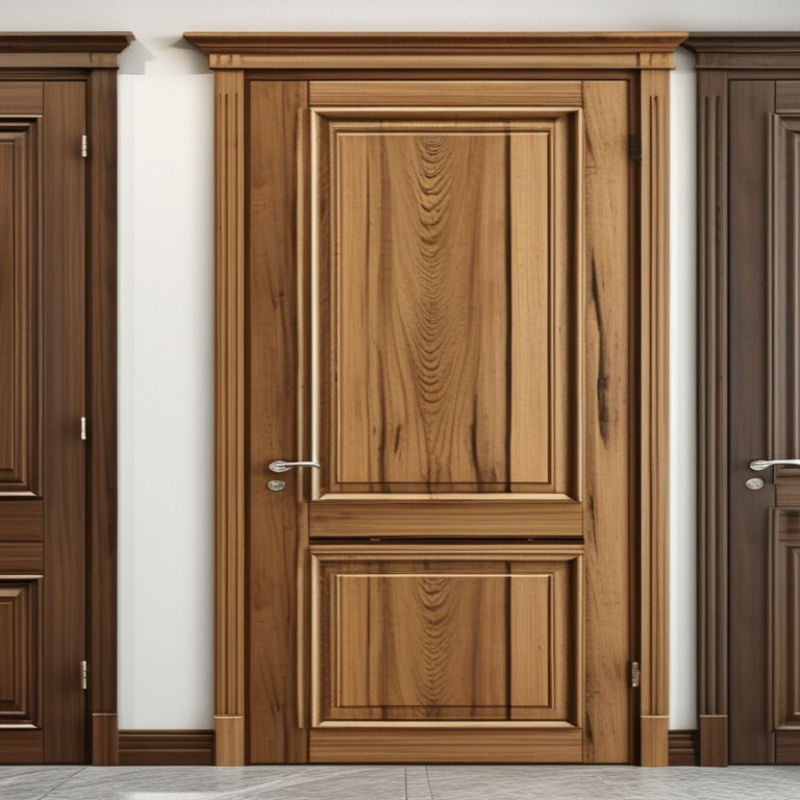
Advantages of WPC Doors Compared to Traditional Timber
WPC doors, made from wood plastic composite, offer unique benefits over traditional timber. These doors resist moisture, making them ideal for humid environments. Unlike timber, they won’t warp or crack, providing long-lasting durability. Homeowners focusing on longevity may appreciate this feature.
Maintenance with WPC doors is minimal. A simple wipe-down keeps them looking fresh. In contrast, timber requires regular staining and sealing. This can be time-consuming and costly over time. Moreover, WPC doors are available in various designs and colors, allowing for versatile aesthetics without sacrificing quality.
However, choosing WPC is not without its challenges. The initial cost may be higher compared to basic timber options. Some might find the texture different from natural wood. Preferences vary greatly among homeowners. It’s essential to weigh these factors when making a decision. Ultimately, the choice depends on personal needs and environmental conditions.
Durability and Weather Resistance of WPC Doors
WPC doors, made of wood-plastic composite, are becoming popular for their durability and weather resistance. Unlike traditional timber, WPC doors withstand moisture, humidity, and temperature changes. Their composite materials resist warping, cracking, and swelling, ensuring a long lifespan. Homeowners often choose WPC for these very reasons.
Tips: When considering WPC doors, think about the climate in your area. In humid regions, WPC doors can significantly outperform timber. If you live where conditions vary dramatically, this choice is practical.
WPC doors require minimal maintenance, another advantage over traditional options. You won't need to repaint or reseal them often. Regular cleaning with mild soap and water keeps them looking fresh, unlike timber that may fade or peel. However, the initial cost can be higher, which is worth considering.
Tips: Always ensure proper installation. Poor fitting can lead to gaps and affect insulation. Even durable materials can suffer if not correctly installed. Be mindful of how your choice fits into your home's design and functionality.
Why Choose WPC Doors Over Traditional Timber for Your Home? - Durability and Weather Resistance of WPC Doors
| Feature |
WPC Doors |
Traditional Timber |
| Durability |
High resistance to wear, impact, and pressure |
Prone to dents, scratches, and deformation |
| Weather Resistance |
Excellent resistance to moisture and UV rays |
Can warp, crack, or rot in adverse weather |
| Maintenance |
Minimal maintenance required |
Regular maintenance needed (painting, sealing) |
| Lifespan |
Long-lasting (up to 25 years) |
Varies (usually 10-15 years) |
| Cost |
Mid-range pricing for high durability |
Can be less expensive initially, but higher long-term costs |
Maintenance Requirements for WPC Doors Versus Timber Doors
When considering the maintenance of WPC (Wood Plastic Composite) doors versus traditional timber doors, several factors come into play. WPC doors typically require less upkeep than their timber counterparts. According to industry research, WPC doors are resistant to moisture and do not warp, rot, or crack like wood. This contributes to a longer lifespan, with many WPC doors lasting over 25 years with minimal maintenance. On the other hand, timber doors need regular oiling and repainting. They can be vulnerable to pests, mold, and weather damage.
Tips: Regular cleaning is essential for both types. For WPC doors, using a damp cloth suffices. For timber, schedule annual inspections to check for signs of wear.
Another important aspect is the cost of maintenance. A report by the National Wood Door Association indicates that homeowners spend up to 30% more on maintaining timber doors compared to WPC options. While WPC doors may have a higher initial cost, their long-term savings in maintenance are notable.
Tips: Consider investing in WPC doors for hassle-free living. Your future self might appreciate the decision. The durability of WPC also means less time worrying about repairs, allowing homeowners to focus on enjoying their spaces.
Cost-Effectiveness of WPC Doors Over Their Timber Counterparts
WPC doors, made from wood plastic composite, are gaining popularity for their cost-effectiveness. Traditional timber doors can be expensive due to the cost of raw materials and maintenance. WPC doors typically require less upkeep, saving homeowners money over time. They won’t warp or crack like timber, which reduces the need for repairs or replacements.
Another factor is energy efficiency. WPC doors often provide better insulation than traditional wood. This can lead to lower heating and cooling costs. In colder climates, the difference could add up significantly. However, the initial cost of WPC can still be higher than simple options in wood.
It's also important to consider aesthetic preferences. While WPC doors can mimic the look of timber, they may lack the same unique character. Some homeowners find this less appealing. Choosing WPC over timber is a balance between budget constraints and aesthetic desires. Reflecting on what matters most can guide your decision.
Environmental Impact of WPC Doors Compared to Traditional Timber
When considering the impact of building materials on the environment, WPC doors present a compelling alternative to traditional timber. Wood Plastic Composites (WPC) often use recycled materials, minimizing the demand for new timber. This recycling reduces deforestation, a major contributor to habitat loss and climate change. In contrast, timber harvesting typically involves cutting down trees, which disrupts ecosystems.
WPC doors are also designed to be more durable. They can resist moisture and pests, leading to longer lifespans. Traditional timber often requires more frequent replacements and maintenance, which results in more waste. When WPC doors reach the end of their life cycle, they can be processed and recycled, further reducing their ecological footprint. However, questions remain about the full life cycle impact of WPC production.
While WPCs offer significant advantages, they are not entirely without challenges. Some consumers worry about their recyclability and the environmental cost of plastic production. Balancing these factors is crucial for making an informed choice. The decision should incorporate a comprehensive understanding of each option's impact on our planet.
FAQS
: WPC doors are made from wood plastic composites. They combine wood fibers with recycled plastics.
WPC doors can be more cost-effective in the long run. They require less maintenance than timber doors.
Yes, WPC doors often offer better insulation. This can lead to lower heating and cooling bills.
WPC doors mimic the look of timber but may lack unique character. Some homeowners prefer the authenticity of wood.
WPC doors use recycled materials, reducing demand for new timber and helping decrease deforestation.
Yes, WPC doors resist moisture and pests. They tend to last longer than traditional timber doors.
Yes, WPC doors can be processed and recycled at the end of their life cycle. However, some concerns exist about plastic production.
Balance budget and aesthetic preferences. Reflect on long-term costs and environmental impact in your decision.
WPC doors might raise concerns about recyclability. The full life cycle impact of their production is still debated.
Conclusion
When considering home improvements, many homeowners ask, "Why choose WPC doors over traditional timber?" WPC (Wood-Plastic Composite) doors offer several advantages that make them a superior choice. They are significantly more durable and weather-resistant compared to traditional timber, making them ideal for various climates. Additionally, WPC doors require less maintenance, alleviating the need for regular painting or sealing that timber doors often demand.
Cost-effectiveness is another crucial factor; WPC doors tend to have a lower long-term cost due to their longevity and reduced maintenance needs. Furthermore, WPC doors represent an environmentally friendly option, as they are often made from recycled materials, reducing deforestation and promoting sustainability. Ultimately, choosing WPC doors not only enhances the aesthetic appeal of a home but also supports a more sustainable and efficient living environment.

 RZ door