How to effectively remove rust from old steel doors?

Time:2026-06-07 Author:Sophia
0%

When dealing with old steel doors, rust can pose a significant problem. Understanding how to remove rust from an old steel door is essential for maintaining both functionality and appearance. Expert Joe Williams, a leading specialist in metal restoration, emphasizes, "Proper rust removal can extend the life of steel doors significantly."

Rust can compromise the integrity of a door, leading to further damage over time. Common methods often involve scrubbing with wire brushes or using chemical rust removers. However, there’s a misconception that all rust can be easily tackled with these methods. Some rust may be deeper, requiring more extensive efforts.

Many homeowners hesitate to start this process. They worry about damaged paint or the potential for injury. A thorough approach is necessary. Using protective gear and a step-by-step method can make a difference. Anyone seeking to restore their old steel doors will find that understanding what works best is crucial.
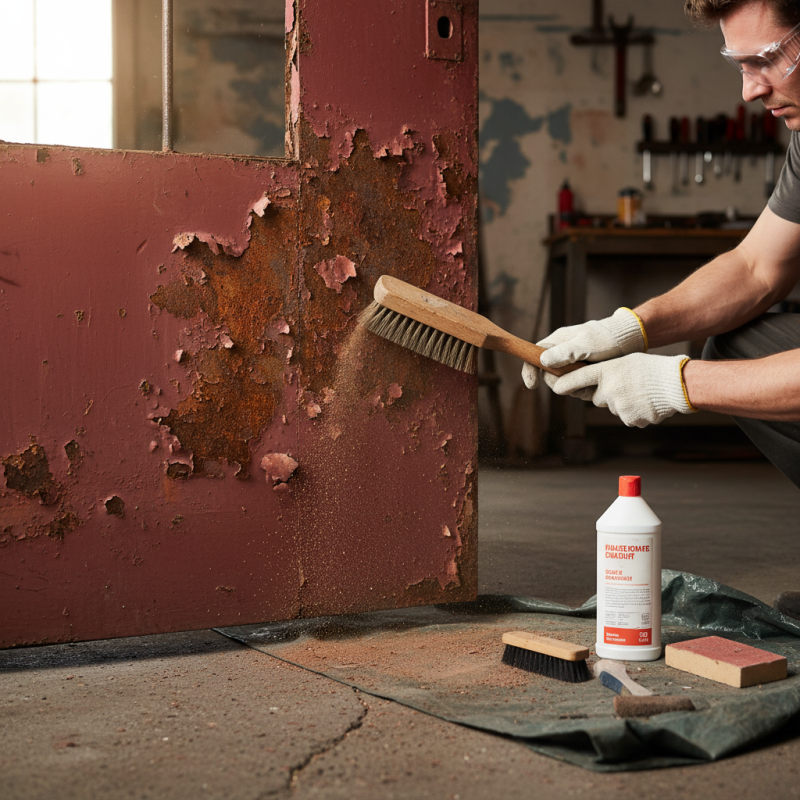
How to effectively remove rust from old steel doors?

Understanding the Causes of Rust on Steel Doors

Understanding the causes of rust on steel doors is crucial for effective maintenance. Rust forms when iron combines with moisture and oxygen. Humidity, rain, and poor ventilation aggravate this process. According to the Corrosion Technology Center, over 40% of steel infrastructure is impacted by rust. This not only weakens the structure but also affects aesthetics.

Old steel doors often suffer from paint deterioration, which exposes bare metal. Scratches or dents can accelerate rust formation by creating entry points for moisture. A study from the National Association of Corrosion Engineers indicates that unprotected steel can corrode at rates exceeding 1 mm per year under certain conditions. Regular inspections and early intervention are vital to treat any emerging rust spots promptly.

Environmental factors also play a significant role. For instance, coastal areas with salty air can lead to more aggressive corrosion. Studies show that steel is five times more likely to rust in such environments. Thus, understanding the specific risks your location presents helps in maintaining the longevity of your steel doors.

Essential Tools and Materials for Rust Removal

Removing rust from old steel doors can restore their appearance and extend their lifespan. To tackle rust effectively, essential tools and materials are necessary. According to industry reports, over 40% of metal structures suffer from corrosion issues. This statistic emphasizes the importance of proper rust treatment.

You will need sandpaper or a wire brush for initial rust removal. A good rust converter can help stop further decay. Protective gear, such as gloves and goggles, is vital. Tools like a power sander can save time and effort. If the rust is extensive, a solvent-based rust remover may be required. Always follow safety guidelines when using chemicals.

Tip: Perform a patch test on a small area before applying rust removers. This can prevent unexpected reactions or damage to the metal. Clean the surface thoroughly to ensure better adhesion for any protective coatings applied afterward. Regular inspections can help catch rust early, preventing costly repairs down the line. A proactive approach can make a significant difference.

Rust Removal Effectiveness of Different Methods

Step-by-Step Process for Removing Rust from Steel Doors

Removing rust from old steel doors can seem daunting. However, with the right approach, it becomes manageable. Begin by assessing the severity of the rust. If the surface is minimally affected, you might just need to clean it. Use a soft brush or cloth to wipe away dirt and dust. For heavier rust, you'll need a stronger method.

A combination of vinegar and baking soda can work wonders. Create a paste with these ingredients and apply it to the rusty area. Let it sit for about 30 minutes. The rust should begin to loosen. Scrubbing with a wire brush or sandpaper can then help remove the old layer. Be cautious, as excessive force can damage the steel.

After cleaning, it’s crucial to prevent future rust. Consider applying a primer designed for metal surfaces. This adds a protective barrier against moisture. Remember, this process might not yield perfect results. Be prepared for some imperfections. Each door has its unique history. Embrace the character it adds to your space. Rust removal is not just about aesthetics; it’s about care and maintenance.

How to Effectively Remove Rust from Old Steel Doors

Step Action Materials Needed Estimated Time
1 Assess the Rust Damage None 10 minutes
2 Gather Materials Wire Brush, Sandpaper, Rust Remover 15 minutes
3 Remove Loose Rust Wire Brush 20 minutes
4 Apply Rust Remover Rust Remover Solution 30 minutes
5 Sand the Area Sandpaper 15 minutes
6 Clean the Area Water, Cloth 10 minutes
7 Apply Primer and Paint Primer, Paint, Brush 1 hour

Protecting Steel Doors After Rust Removal

After removing rust from steel doors, it’s crucial to protect them from future corrosion. Steel doors are often exposed to moisture and humidity, making them vulnerable to rust. According to a study from the National Association of Corrosion Engineers, corrosion leads to significant losses, costing industries nearly 3.4% of their gross domestic product. Therefore, prevention is essential.

One effective method for protection is applying a high-quality primer. Using a rust-inhibiting primer creates a barrier against moisture. This step is vital after any rust removal process. Additionally, consider using weatherproof paint designed for metal surfaces. These paints often contain additives to resist corrosion and UV damage. Regular maintenance checks should also be scheduled to catch issues early.

Tips: Regularly inspect your doors for any signs of rust. If any appears, treat it immediately. Invest in a dehumidifier for your space to control moisture levels. Also, consider using a sealant to provide extra protection.

Maintenance Tips to Prevent Future Rust Formation

To prevent rust on your old steel doors, regular maintenance is essential. Examine the surface for any scratches or dents. These small imperfections can trap moisture and accelerate rust formation. Cleaning the door often can help remove dirt and debris. A simple rinse with water and mild soap can do wonders. After cleaning, ensure the door is thoroughly dried. Moisture left on the surface invites rust.

Applying a protective coating is crucial. You might consider various types of paint or sealant for added protection. Be sure to choose a product suitable for metal surfaces. When applying, pay attention to edges and seams; these are common rust points. Inspect the door periodically. If you notice flakes or peeling, it might be time for a fresh coat. While it often seems insignificant, addressing these issues proactively can save time and money later.

Don’t forget about the environment surrounding the door. Keep outdoor areas clear of debris and vegetation that can hold moisture. Ensure that gutters and downspouts direct water away from the door, reducing exposure to rain. These small changes can make a big difference. Remember, neglecting these details might lead to more significant problems down the road. Rust is a persistent issue, and staying vigilant is key to prolonging the life of your steel doors.

FAQS

: What causes rust on steel doors?

: Rust forms when iron, moisture, and oxygen combine. Humidity and rain worsen this process.

How does location affect rust formation?

Coastal areas with salty air lead to more aggressive corrosion. Steel rusts five times faster there.

What happens to old steel doors?

Old steel doors may suffer from paint deterioration. This exposes bare metal, increasing rust risk.

How can scratches affect steel doors?

Scratches create entry points for moisture. This can accelerate rust formation significantly.

Why is regular inspection important?

Regular inspections help identify rust spots early. Timely intervention can prevent further damage.

What protective measures should be taken after rust removal?

Apply a rust-inhibiting primer after rust removal. This creates a barrier against moisture.

What types of paint should be used for steel doors?

Use weatherproof paint for metal surfaces. It often contains additives that resist corrosion.

What maintenance practices can prolong the life of steel doors?

Regularly check for rust and treat it immediately. Control moisture levels to reduce rust risks.

How can a dehumidifier help with steel doors?

A dehumidifier can control moisture levels effectively. This reduces the likelihood of rust formation.

Are there any additional protective measures?

Consider using a sealant for extra protection. It can provide an additional barrier against moisture.

Conclusion

Removing rust from old steel doors is essential for maintaining their strength and appearance. To effectively tackle this issue, it's important to first understand the causes of rust, which may include exposure to moisture and lack of protective coatings. Essential tools such as wire brushes, sandpaper, and rust remover products are necessary for the job.

The process of how to remove rust from an old steel door involves several steps: cleaning the surface, scraping off loose rust, applying a rust remover, and finally, repainting to prevent future issues. Once the rust is eliminated, protecting the steel doors with appropriate sealants is crucial to deter rust from forming again. Regular maintenance, such as checking for scratches and applying protective coatings, can greatly extend the life of your steel doors, keeping them in top condition for years to come.

Sophia

Sophia

Sophia is a dedicated marketing professional with an exceptional depth of knowledge about her company's products and services. With a keen understanding of market trends and customer needs, she crafts insightful blog posts that not only inform but also engage readers, enriching the company’s online......