When considering safety in commercial buildings, understanding fire ratings is crucial. Fire rating requirements for commercial doors contribute significantly to overall life safety and property protection. According to the National Fire Protection Association (NFPA), about 60% of fire-related fatalities occur in buildings that lack proper fire doors or ratings.
"What are the fire rating requirements for commercial doors?" asks industry expert Mark Johnson, who emphasizes, "Fire doors are your first line of defense against fire spread." His expertise highlights the critical need for compliance with fire codes. Many businesses underestimate this necessity, risking the safety of occupants and assets.
The complexities of fire ratings, including hour ratings and materials, can be overwhelming. Yet, adhering to local codes and standards is non-negotiable. A study from the International Code Council indicates that nearly 75% of inspected commercial buildings fail to meet fire safety requirements. This reality stresses the importance of understanding what constitutes compliant fire-rated doors, ensuring both safety and legal compliance.
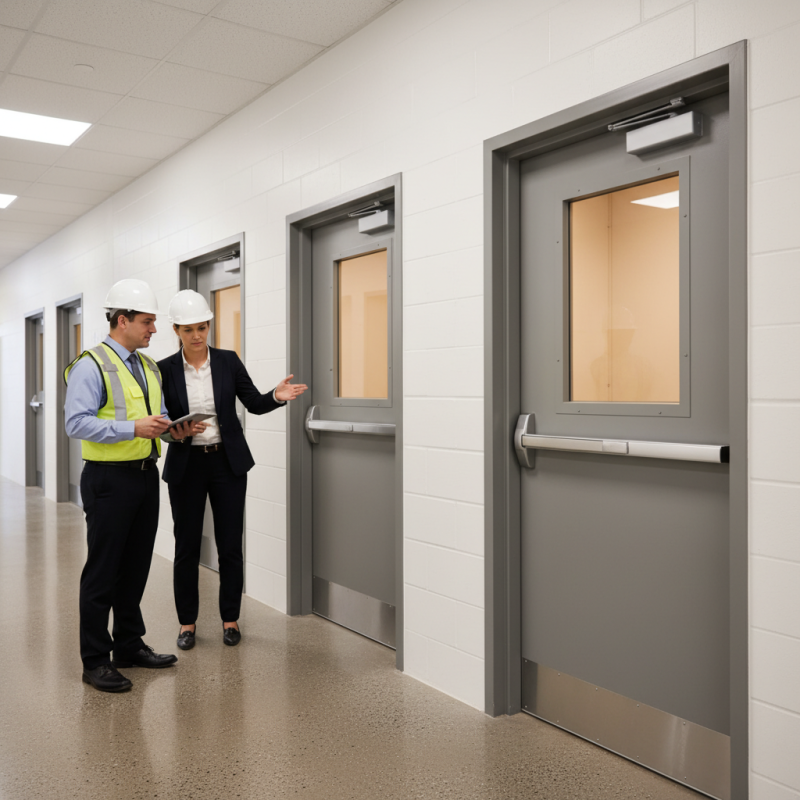
Types of Fire Ratings for Commercial Doors
When considering fire ratings for commercial doors, understanding the types is essential. The most common fire ratings include 20, 45, 60, and 90 minutes. These ratings indicate how long a door can withstand flames and heat. A 20-minute door may suffice in some areas, while a 90-minute rating is necessary for high-risk locations. Each rating has specific applications based on building occupancy and fire risk.
Tips: Always check local building codes. These regulations may stipulate which fire ratings are necessary for various types of commercial spaces. Consulting with professionals helps ensure compliance.
The materials used also contribute to fire ratings. Steel doors often provide higher ratings compared to wooden doors. However, wooden doors can be treated to meet certain standards. Understanding the material's properties can influence safety and compliance.
Often, there's confusion about maintenance. Regular inspections are vital. A damaged door can compromise its fire rating. Fire seals and gaskets should be intact, as they play a crucial role in preventing smoke and heat from entering safe areas. Regular maintenance leads to enhanced safety.
Understanding Fire Rating Standards and Codes
When it comes to selecting commercial doors, understanding fire rating standards is crucial. Fire-rated doors are designed to withstand fire for a specific duration. The ratings typically range from 20 minutes to 3 hours. This duration indicates how long a door can resist flames and heat during a fire event. It’s essential to match these ratings with building codes and safety standards in your area.
Navigating fire rating requirements can be complex. Common standards include the National Fire Protection Association (NFPA) and Underwriters Laboratories (UL). Each standard has specific criteria for testing and performance. For instance, a door rated for one hour will block flames significantly longer than a non-rated door. This creates safe zones within a building during emergencies, allowing for evacuation and potentially saving lives.
While codes provide guidelines, their implementation can vary. Misunderstandings may arise regarding what type of door is needed where. Property owners often overlook these requirements during renovations. This oversight can lead to serious repercussions, particularly in industrial settings. Investing time to comprehend and apply these standards properly is vital. Fire safety is not just about compliance; it is about protecting lives.
Factors Influencing Fire Rating Requirements
Fire rating requirements for commercial doors heavily depend on several influencing factors. One key factor is the type of occupancy. According to data from the National Fire Protection Association (NFPA), different buildings have varied fire risks based on their use. For instance, assembly spaces may require higher ratings than office buildings to ensure occupant safety.
Another influencing aspect is the building’s construction type. A report by the National Institute of Standards and Technology indicates that non-combustible materials can lead to less stringent fire rating needs. However, mixed-use buildings might need enhanced fire protection due to diverse occupancy types. Finally, local regulations play a significant role. Local codes often adapt national standards to suit regional risks, which affects the required fire ratings.
The need for adequate fire ratings stems from historical fire incidents. In 2018, studies noted that over 1,300 commercial fire occurrences resulted in significant losses. This highlights the necessity for compliance. Still, a substantial number of facilities lack sufficient awareness regarding their specific fire rating requirements. This leaves a gap that may compromise safety. Implementing detailed assessments can bridge this gap and improve fire safety standards in commercial spaces.
Installation and Maintenance of Fire Rated Doors
Fire rated doors play a crucial role in maintaining safety in commercial buildings. Installation must adhere to the National Fire Protection Association (NFPA) guidelines to ensure they meet specific fire-resistance ratings. According to NFPA 80, fire doors must be installed and regularly maintained to function effectively. Misalignment or damage can compromise their ability to contain smoke and flames.
Regular inspection should be part of your building's safety protocol. For optimal performance, check the door’s hardware, seals, and frames annually. A recent study indicated that 75% of fire doors are not properly maintained, which can lead to massive safety risks. Ensuring proper clearances and functionality helps maintain integrity.
Tips: Keep a maintenance log for fire rated doors. This helps track inspections and repairs. After any alteration in the building structure, reassess the door installation. Remember, every commercial space is unique. Understanding your specific requirements can save lives.
Compliance and Testing for Fire Rated Doors
Fire-rated doors are essential for safety in commercial buildings. They help contain fire and prevent smoke spread. Compliance with fire rating requirements is critical. Various standards exist, like the NFPA 80, which governs installation and maintenance. Testing includes the duration a door can withstand flames, usually rated from 20 minutes to 3 hours. Understanding these ratings is vital for building safety.
When selecting fire-rated doors, consider their testing certifications. The Underwriters Laboratories (UL) and Intertek often conduct these tests. Their reports provide valuable data on performance under fire exposure. A thorough inspection of these certifications is crucial for ensuring compliance. Many buildings fail fire safety checks due to improperly installed doors or lack of maintenance. Routine checks can help avoid these issues.
Tips: Regular maintenance is key. Inspect seals and hardware every few months. Ensure that doors close securely. Training staff on fire safety can improve compliance. Remember, fire safety isn't just a requirement; it's a responsibility. Keep records of inspections to track issues over time. This diligence might uncover trends that need addressing.
Conclusion
When examining "What are the fire rating requirements for commercial doors," it is essential to understand the various types of fire ratings that exist. Fire-rated doors are classified according to standards and codes which dictate their performance during a fire incident. These ratings are influenced by several factors, including building use, occupancy type, and local regulations.
Proper installation and regular maintenance of fire-rated doors are crucial to ensure their effectiveness in preventing fire spread. Additionally, compliance with testing requirements is necessary to verify that the doors meet the specified fire rating standards. By understanding these elements, property owners can ensure their commercial doors contribute to overall fire safety and protection.

 RZ door