Winter can bring various challenges, and one common problem homeowners face is sticking wooden doors. You might wonder, "Why does my wooden door stick in the winter?" Several factors contribute to this frustrating issue. Temperature fluctuations and humidity levels can cause wooden doors to expand or contract. This movement often leads to misalignment within the door frame.
In winter, cold air reduces the moisture content in wood. As the door dries out, it may shrink or warp, causing it to stick when opening or closing. Additionally, the door's finish may wear down, exposing the wood to moisture. This takes a toll on its stability. Regular maintenance can help, but many overlook this aspect until problems arise.
Understanding the reasons behind sticking doors is essential for timely solutions. Taking proactive steps can prevent further damage and save time and money. If you notice any sticking, don’t ignore it. Assess the situation carefully and consider exploring effective fixes. By addressing this issue promptly, you can ensure your door operates smoothly all year round.
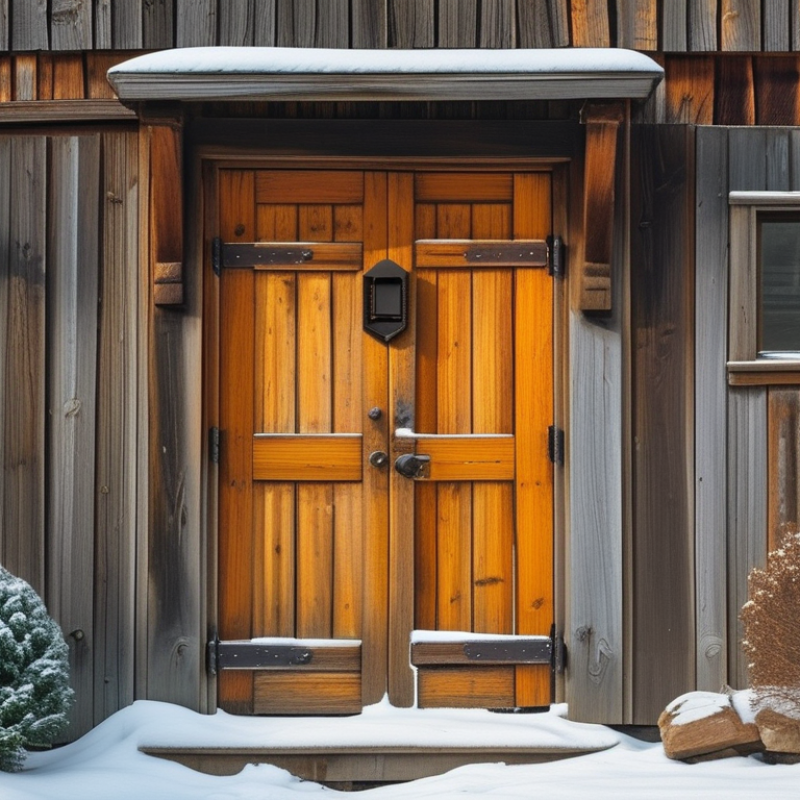
Identifying Causes of Sticking Wooden Doors in Winter
Winter can be tough on wooden doors. Cold temperatures cause the wood to contract. This process can create gaps in your doorframe. When moisture enters, the wood expands again. The result is a door that sticks. Identifying the root causes can help you find solutions.
High humidity is another factor. Moist air can linger in winter, affecting your door's fit. Over time, the wood absorbs moisture, leading to swelling. Poor installation may also worsen the issue. If the door is not aligned properly, it will rub against the frame. These factors must be considered to address the sticking problem effectively.
In some cases, the door may be old or made from lower-quality wood. These materials may not withstand winter's challenges as well. Regular maintenance can prevent many issues. Checking hinges and ensuring a proper seal can make a difference. Recognizing these factors early is crucial to avoid long-term damage.
Evaluating Humidity and Temperature Effects on Wood Expansion
When wooden doors stick during winter, humidity and temperature changes are often to blame. Wood is a natural material that expands and contracts based on environmental conditions. High humidity can make wood swell, while cold, dry air often leads to shrinkage. This fluctuation can cause doors to fit too snugly in their frames, creating frustrating jams.
Inspect your wooden doors closely. Look for gaps, or lack thereof, around the edges. Are there visible signs of swelling? If so, you might need a level to check the door's alignment. Sanding down areas where the door meets the frame can help, but it requires precision. Over-sanding can create new issues. It’s a balancing act that calls for patience and practice.
Keep in mind that not only the wood itself but also the frame affects the door's performance. Adjusting the hinges can sometimes alleviate tension, but that might not always be straightforward. Those who frequently face this issue may find themselves needing to reevaluate their home’s humidity levels or invest in a dehumidifier for stability. Sometimes, the simplest solutions are overlooked.
Simple Maintenance Tips to Prevent Sticking Doors
Wooden doors can stick in winter due to swelling caused by humidity and temperature changes. Preventing this issue is vital for smooth operation. Simple maintenance tips can save you from frustration.
Regularly check the door hinges. Lubricate them with a silicone spray or a light machine oil. This simple task can enhance movement and reduce friction. Inspect the door frame for any signs of swelling. If you spot any, you might consider trimming it slightly for a better fit.
Using a dehumidifier in your home can help manage moisture levels. Keeping humidity in check will minimize the swelling of wooden doors. Additionally, you can apply a wood sealant during the fall. This can create a protective barrier against moisture absorption. Small efforts can lead to significant improvements. Regular maintenance prevents doors from sticking, ensuring your home remains functional.
DIY Fixes for Sticking Wooden Doors in Cold Weather
Winter can be tough on wooden doors. Cold weather causes wood to expand and contract, leading to sticking doors. Research indicates that over 40% of homeowners face this issue during winter months. Understanding how to fix this can save you time and headaches.
One simple solution is adjusting the door hinges. Sometimes, a door just needs a minor shift to align properly. Loosen the hinges slightly, adjust the door position, and then retighten them. If this doesn't work, consider using a wooden file to shave off small parts of the door that might be rubbing against the frame.
Another effective fix is to apply a lubricant. Use a silicone-based spray for hinges. Applying it periodically can prevent sticking and ensure smoother operation. Remember to check the door’s fit within the frame regularly. A door that sticks is not just an inconvenience; it can be a symptom of larger issues like frame warping or moisture problems.
Tips: Always keep your door frames well-insulated. This reduces the chances of moisture build-up. Also, be cautious when filing the door; remove small amounts to avoid overdoing it. Fixing sticking doors can enhance comfort and functionality in your home. Addressing these issues promptly can prevent further complications.
How to Fix Sticking Wooden Doors in Winter: Solutions
When to Seek Professional Help for Sticking Doors
Winter can be tough on wooden doors. As temperatures drop, wood expands and contracts, causing doors to stick. While some minor adjustments can be done at home, knowing when to call a professional is crucial.
Look for signs of serious issues. If the door continuously gets stuck and the hinges squeak, it may need expert attention. Warping or cracks in the wood indicate deeper problems. Don't ignore these symptoms, as they could lead to larger repairs.
Tips for fixing sticking doors include checking hinge alignment. Sometimes, just tightening screws can make a difference. Applying a lubricant can also help ease movement. If the door swells due to moisture, drying it out in a warm room can be effective.
In cases where DIY fixes don’t work, seeking a professional is wise. They have tools and expertise to handle complicated mechanisms. Attempting to fix significant issues could worsen the door's condition. Always prioritize safety and functionality over DIY attempts that could backfire.
FAQS
: Changes in humidity and temperature cause wood to expand and contract, leading to sticking doors.
Check for gaps around the edges and signs of swelling. Use a level to assess alignment.
Sand down areas where the door meets the frame. Be precise; over-sanding can create new problems.
The frame can also affect how well the door fits. Adjusting hinges may sometimes help.
If the door continuously sticks or has visible warping, it may require expert attention.
Check hinge alignment, tighten screws, and apply lubricant for smoother movement.
Yes, placing the door in a warm room can help if excess moisture is causing the swelling.
Attempting to fix serious issues might worsen the condition. Seeking a professional is advisable.
Sometimes, the simplest fixes are overlooked. Check humidity levels or consider using a dehumidifier.
Avoid over-sanding or ignoring signs of deeper problems, as this could lead to larger repairs.
Conclusion
Sticking wooden doors in winter can be a frustrating issue for homeowners. The primary question often arises: "Why does my wooden door stick in the winter?" This problem is usually due to the expansion and contraction of wood caused by fluctuating humidity and temperature levels. As temperatures drop, the moisture content in the air changes, leading to wood expansion, which can cause doors to stick.
To mitigate these issues, it's important to regularly evaluate humidity levels in your home and perform simple maintenance. This may include adjusting hinges, applying lubrication, or sanding down areas where the door might be rubbing against the frame. For those looking for DIY solutions, various fixes can be implemented to ensure smooth operation even in cold weather. However, if the problem persists despite your efforts, it may be wise to seek professional help to address more complex underlying issues.

 RZ door