A noisy garage door can make a small maintenance task feel urgent. But lubricant in the wrong place may collect dust, coat the floor, and leave rollers struggling along the track. How to lubricate garage door tracks safely starts with a useful distinction: most manufacturers recommend keeping tracks clean and dry, while lubricating specified moving parts, such as hinges, rollers, and springs. Check your door’s manual before applying anything.
The Door & Access Systems Manufacturers Association (DASMA) provides technical maintenance guidance for garage door systems, including Technical Data Sheet 167. Its advice supports a careful approach: inspect the system, follow the manufacturer’s instructions, and do not treat the track like a bearing. That detail matters. A greasy stripe on the rail is not proof of proper maintenance.
This Top 10 Tips guide will cover safe preparation, suitable lubricants, precise application, and warning signs that call for a qualified technician. Keep hands clear of moving parts, disconnect power when the manual directs, and never adjust high-tension springs yourself. Stop if a cable looks frayed or the door feels unusually heavy.
One credibility note: no verifiable source text was provided for a named expert’s direct quotation, so I won’t invent one. DASMA’s published guidance is a stronger starting point than an unsourced quote. Safety advice can feel overly cautious—until a door shifts unexpectedly.
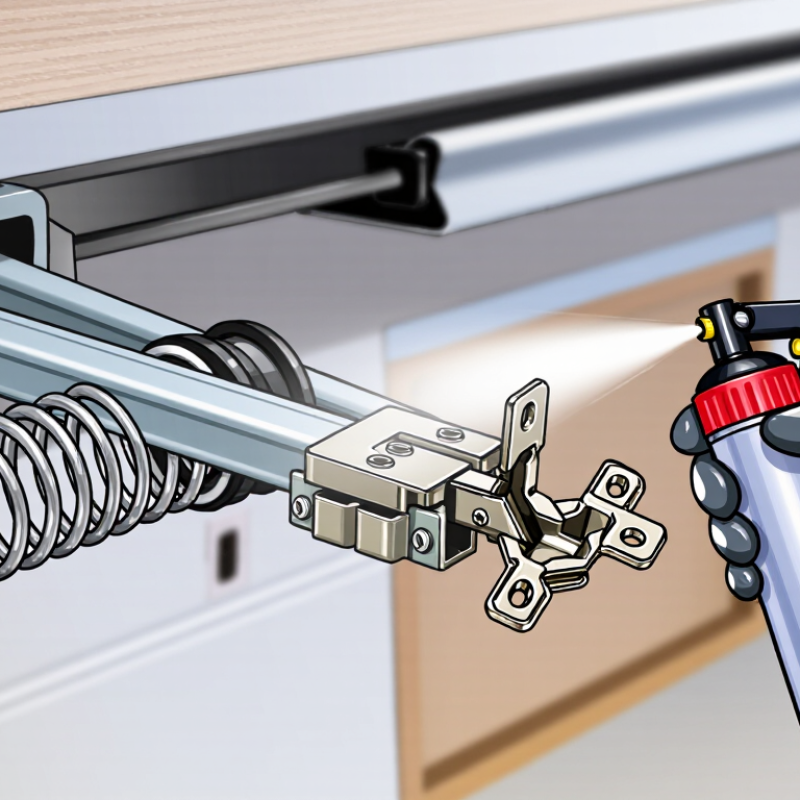
Garage door tracks are the metal channels that guide rollers as the door moves. They are not usually the parts that need lubrication. Rollers travel inside them, but coating the channel can hold dust, grit, and old residue. That buildup may make movement rougher, not smoother. A dry cloth can remove loose dirt; use a mild cleaner only if the door’s manual allows it, then let the track dry fully. Look for bent sections, loose fasteners, or dark metal shavings. Those signs deserve attention. Don’t force the door.
Lubrication risks often come from using too much or choosing the wrong spot. Oil sprayed into a track can drip onto the floor and collect debris near the rollers. It may also hide wear that needs repair. Apply only a small amount of garage-door lubricant to the parts specified by the manufacturer, such as compatible roller bearings or hinges. Keep it off the floor, cables, and track surfaces. Before inspecting, disconnect the opener and keep fingers clear of moving joints. Never adjust a spring or cable yourself; stored tension can cause serious injury. I used to think more lubricant meant quieter movement. Not always. A persistent scrape or uneven lift calls for a qualified technician, rather than another spray.
Before touching the door, close it fully and unplug the opener so nobody can activate it by mistake. Keep children and pets outside the work area. Move cars, tools, and loose cords away from the opening; sweep grit from the floor and keep a dry cloth nearby. Good preparation matters. A CDC/NIOSH report on U.S. workplace injuries recorded 113 worker deaths and an estimated 15,460 nonfatal injuries involving ladders in 2011. That is workplace data, not a prediction for home maintenance, but it is a useful reminder: avoid stretching from a ladder or balancing on a step stool. If you cannot reach safely from the floor, stop and get qualified help.
Inspect the tracks before applying anything. Wipe off dust and small debris with a clean cloth, then check for bends, loose brackets, frayed cables, or damaged rollers. Do not put oil or grease on the tracks; lubricant can attract grit and affect door movement. Follow the door maker’s care instructions for the parts that do need lubrication. Keep fingers clear of roller paths and never adjust springs or cables. They can remain under high tension. A small admission: preparation can feel slower than the actual wipe-down. Still, rushing past a crooked track or unstable ladder is a poor trade.
| # | Preparation Tip | Safe Practice | Why It Matters |
|---|---|---|---|
| 1 | Read the door and opener instructions | Check the manufacturer’s maintenance guidance for approved cleaning and lubrication points before starting. | Door designs and components vary, and the instructions help prevent damage from unsuitable products or methods. |
| 2 | Close the garage door fully | Work with the door in the closed position. Do not lubricate or clean while it is moving. | A closed, stationary door reduces the risk of unexpected movement and access to moving parts. |
| 3 | Disconnect the automatic opener | Unplug the opener or switch off its power before maintenance. Keep the remote controls away from the work area. | This helps prevent accidental operation while hands or tools are near the door. |
| 4 | Keep the emergency release untouched | Do not pull the emergency-release cord unless the door is fully closed and the instructions specifically call for it. | Releasing a door under spring tension can cause it to move unexpectedly. |
| 5 | Clear and secure the work area | Move vehicles, bicycles, and loose objects away from the door. Keep children and pets out of the garage during maintenance. | A clear area reduces trip hazards and prevents others from entering the door’s operating zone. |
| 6 | Use stable access equipment | If reaching a high area, use a properly positioned, stable step ladder on a level surface. Do not stand on the door or its tracks. | Tracks and door panels are not safe platforms and may shift or become damaged under a person’s weight. |
| 7 | Wear basic protective gear | Wear safety glasses and work gloves. Avoid loose clothing, jewelry, and anything that could catch in moving parts. | Protective gear helps guard against dust, sharp edges, and contact with residue. |
| 8 | Inspect the tracks before cleaning | Look for bends, loose brackets, damaged rollers, frayed cables, or unusual gaps. Do not loosen track fasteners. | Track alignment and spring or cable repairs require care; visible damage should be assessed by a qualified garage-door technician. |
| 9 | Clean tracks rather than coating them | Wipe the inside of each track with a dry cloth to remove dust and debris. Avoid putting grease or lubricant on the track surfaces. | Tracks guide the rollers and are generally kept clean and dry; lubricant can collect grit and interfere with smooth roller travel. |
| 10 | Prepare the correct lubricant for other moving parts | Use a lubricant specified for garage doors on appropriate metal hinges, bearings, or roller bearings. Keep it off the track and roller tread, and wipe away excess. | Applying lubricant only where appropriate helps limit residue buildup. If the door is damaged, unusually heavy, or operates unevenly, stop and contact a qualified technician. |
Before choosing a lubricant, inspect the tracks for grit, old grease, and small debris. A dirty track can make rollers drag, while added lubricant may trap more dust. Keep the garage door fully closed and disconnect the opener before cleaning. Wipe each track with a dry cloth; use a little mild soapy water for stubborn residue, then dry the metal completely. Don’t soak the track or put your fingers near moving parts. No oily film.
Check the door’s manual before applying anything. Many systems call for lubricant on hinges, rollers, or springs, but not on the track’s running surface. Use only a garage-door-rated lubricant on parts the manual identifies. Avoid spraying indiscriminately: overspray can reach the floor, and excess product can collect grit. The track may still look slightly dull after cleaning. That is fine. If you find a bent section, loose bracket, or roller that keeps sticking, stop and arrange a qualified inspection rather than forcing the door. Cleaning is a simple step, but it is easy to rush. Keep the tracks clean and dry unless the instructions say otherwise.
Suggested time estimates for a basic track-cleaning and inspection routine. Actual times vary by door size and how much dirt has accumulated. Keep lubricant off the tracks; follow the door manufacturer’s instructions for lubricating approved moving parts.
Garage door tracks look like obvious places to lubricate, but they should usually stay clean and dry. Grease inside the rails can collect dust, grit, and pet hair, creating a rough paste that interferes with the rollers. With the door closed, wipe both tracks using a dry cloth. Remove loose debris gently; do not bend the rails or scrape them with sharp tools. If a roller is visibly misaligned, stop and have the door inspected.
Tips: Use a garage-door lubricant sparingly on metal roller bearings, hinge pivots, and torsion springs. Aim carefully, then wipe away drips. Avoid coating nylon roller treads or spraying lubricant onto the tracks. A small straw nozzle helps keep the product off nearby surfaces.
Stand clear of the door’s path while checking the hardware, and never loosen cables or spring fittings. Those parts hold substantial tension. After lubricating the moving joints, operate the door a few times and listen for changes. A brief squeak may not disappear immediately, and more lubricant is not always better. Check your door’s care instructions, since components and recommendations can vary. If the door jerks, feels unusually heavy, or makes a sharp grinding sound, stop using it and contact a qualified technician.
A smooth door should travel evenly, without scraping, shuddering, or pausing halfway. Watch it move through a full cycle before cleaning anything. Check both tracks for dents, loose fasteners, or grit, and use a dry cloth to remove debris. Tracks guide the rollers; they usually should not be coated with grease, which can hold dust and make movement worse. Lubricate the moving parts specified in your door’s manual, such as hinges or roller bearings. Keep lubricant off the track surface. A little restraint helps.
Tip: CPSC guidance recommends testing the opener’s reversal system monthly. Place a 1½-inch-high object in the door’s path; the door should reverse when it touches it. Test the photo-eye sensors, too, by interrupting their beam while the door closes. Keep hands clear of hinges and rollers. If the door drops, binds, or reverses inconsistently, stop using it and arrange a qualified inspection. Don’t adjust springs or cables; their stored tension can cause serious injury.
For routine care, note new sounds and uneven gaps rather than waiting for a breakdown. DASMA homeowner guidance also emphasizes regular visual checks and keeping the door’s safety systems functional. Honestly, a quick inspection can feel too ordinary to matter. That is exactly why it is easy to skip.
Usually, no. Tracks guide the rollers and should generally stay clean and dry. Grease can trap dust and grit.
Close the door and disconnect the opener. Wipe each track with a dry cloth. For stubborn residue, use mild soapy water if the manual allows it, then dry the metal completely.
Check the door’s manual. It may specify hinges or compatible roller bearings. Use only a small amount of garage-door-rated lubricant on listed parts.
Excess spray can drip onto the floor and collect debris. It may also hide wear. No oily film.
Look for dents, loose fasteners, dark metal shavings, or rollers that keep sticking. Don’t force the door if movement seems uneven.
Watch one full cycle. Notice scraping, shuddering, pauses, or uneven gaps. I used to think more spray meant less noise. Not always.
Test the opener’s reversal system monthly, following its instructions. A 1½-inch-high object can check reversal on contact. Test the photo-eye sensors, too.
Stop using the door if it drops, binds, or reverses inconsistently. Arrange an inspection for persistent scraping or damage. Never adjust springs or cables; their stored tension can cause serious injury.
How to lubricate garage door tracks safely begins with understanding that tracks guide the rollers and should not be coated heavily with lubricant. Excess oil or grease can collect dust, interfere with smooth movement, and conceal wear or damage. Before maintenance, close the door, disconnect the opener if appropriate, keep children and pets away, and use stable footing. Inspect the tracks for loose hardware, dents, or other problems that may need professional attention.
Clean dirt and debris from the tracks with a cloth, then use a lubricant suitable for garage door components, following the door manufacturer’s instructions. Apply it sparingly to the rollers, hinges, and other specified moving parts rather than flooding the track. Wipe away excess and keep lubricant off the floor. Finally, reconnect the opener and operate the door carefully to check for smooth, quiet movement. Regular cleaning and inspections can help spot problems early and keep maintenance safe and effective.

RZ door