When considering home security, many ask, "What makes a security door kick-proof?" A strong security door offers numerous advantages. It acts as a barrier against forced entry. The materials and design play crucial roles in its effectiveness.
A kick-proof door typically features robust materials, like solid wood or metal. Reinforced frames also enhance strength. Inadequate installations can compromise security. Many overlook this when choosing a door. Proper testing is essential to ensure reliability. A door may look secure but fail under pressure.
Ultimately, understanding what makes a security door truly effective is vital for homeowners. Investing time in research can yield significant benefits. Reflect on existing security measures; improvements can always be made.
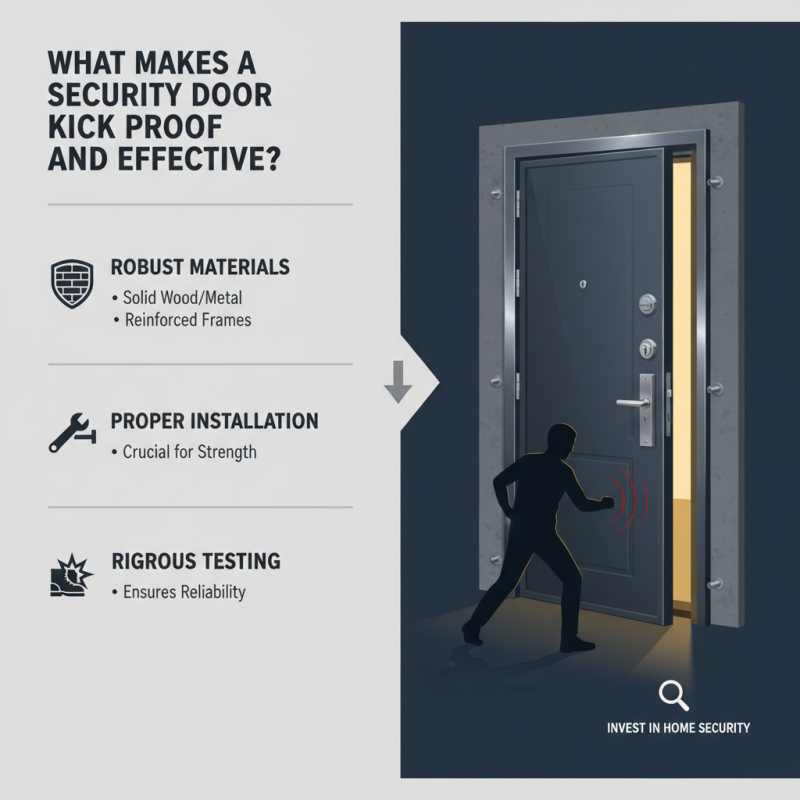
When considering kick-proof security doors, certain characteristics stand out. The choice of materials plays a crucial role. Solid steel and reinforced fiberglass are common options, as they offer exceptional strength. These materials resist forceful impacts and deter potential intruders effectively.
Another important feature is the design of the door frame. A robust frame enhances stability and impact resistance. Many kick-proof doors use 3-inch screws to secure hinges and locks. This design reduces the risk of door failure during an attempted break-in.
Not all security doors are created equal. Some may look strong but lack the necessary features. Regular testing and certification help consumers find reliable options. Inspecting the door's interior can reveal its true strength. A hollow core may indicate vulnerability. It is essential to remember that no door is entirely kick-proof. However, understanding the key characteristics can lead to better choices in home security.
| Characteristic | Description | Material | Kick Resistance Rating |
|---|---|---|---|
| Solid Core Construction | A solid core increases the overall strength and resistance to impacts. | Steel | High |
| Reinforced Hinges | Heavy-duty hinges prevent door removal during forced entry. | Stainless Steel | High |
| Deadbolt Locking Mechanism | Provides an extra layer of security that prevents unauthorized access. | Brass | Very High |
| Impact-Resistant Frame | A robust frame that helps absorb shocks and resist kicks. | Aluminum | Medium |
| Noise Reduction Technology | Minimizes noise during an attempted breach, alerting occupants. | Composite Materials | N/A |
When evaluating security doors, material strength is crucial. The most common testing standards assess impact resistance, structural integrity, and resilience against forced entry. Specific tests simulate break-in attempts using tools like pry bars and sledgehammers. Each material, whether steel, fiberglass, or wood, responds differently to these tests. Knowing how a door holds up under pressure is key to ensuring safety.
The thickness of the door and the quality of the locking mechanisms also play a role. A thicker door made from robust materials can deter many intruders. Yet, not all doors meet rigorous testing standards. Some may look sturdy but fail in real-world situations. Quality assurance testing reveals whether a door can withstand various threats.
However, simply meeting standards may not guarantee effectiveness. Installation matters just as much. A well-constructed door can be compromised if improperly fitted. Homeowners should consider both material strength and expert installation. Effective security combines strong materials with professional insight. Without this balance, even the best door may not perform as expected.
When choosing a security door, the lock mechanism is crucial for enhancing security. Specific types of locks can significantly improve resistance to breaching. Deadbolts, for example, are a popular choice. Reports indicate that deadbolt locks provide up to 15 times more protection against forced entry than standard spring bolts. Their robust design prevents easy manipulation, making them a reliable option for security doors.
Another effective option is smart locks. These locks often feature encryption technology that safeguards access. Recent studies highlight that nearly 60% of burglars attempt to bypass traditional locks but struggle with smart locking systems. Many smart locks also include alerts and remote access, adding an extra layer of security for homeowners.
However, not all traditional locks are equally effective. For instance, single-cylinder deadbolts can be compromised if a burglar breaks a nearby window. This limitation highlights the importance of a comprehensive security plan that considers various potential vulnerabilities. Regular assessments can help homeowners identify weak points and enhance their overall security posture.
Security doors play a crucial role in protecting homes and businesses. Their effectiveness lies in specific design features that enhance resilience. Reinforcements such as steel frames and solid core materials make a substantial difference. A standard door can easily be kicked in, but a well-constructed door resists such forces. Consider the spacing and type of hinges as well; robust, heavy-duty hinges can significantly improve durability.
Construction techniques also matter. For example, doors that utilize multiple locking points offer added security. A single lock may fail under pressure, while multiple locks distribute force more evenly. Additionally, the installation process is key. Poorly installed doors can negate even the best materials. It’s essential to hire professionals for proper setup to avoid common pitfalls.
Not every door is perfect. Some may still present weaknesses. Weather stripping can wear down over time, compromising effectiveness. Homeowners should regularly assess their doors for any signs of wear and make necessary adjustments. Attention to detail and routine maintenance are critical to ensure ongoing security.
In recent years, home break-ins have become a pressing concern for many homeowners. According to the Federal Bureau of Investigation (FBI), a burglary occurs every 20 seconds in the United States. This alarming statistic underscores the importance of effective security measures, especially when it comes to doors. A sturdy, kick-proof security door can be a significant line of defense against unauthorized entry.
Research suggests that upgrading to high-quality security doors can reduce the likelihood of a break-in by up to 50%. A study conducted by the Bureau of Justice Statistics indicates that homes without security measures are three times more likely to be targeted. These numbers reveal a clear correlation between proper door reinforcement and the likelihood of deterring criminals. Additionally, only 30% of break-ins involve forced entry through doors, emphasizing the efficacy of secure door options.
Effective security doors feature robust materials, such as steel or reinforced fiberglass. Many of these doors include advanced locking mechanisms and frames built to withstand tremendous force. However, even the best security measures aren't foolproof. Homeowners must remain vigilant, continuously assessing the effectiveness of their security upgrades. Regular maintenance and the integration of additional security measures, like cameras, can further enhance overall safety.
: Material strength is crucial for evaluating a security door's durability and ability to resist break-ins.
Testing involves assessing impact resistance and resilience using tools like pry bars and sledgehammers.
Not all doors pass tests despite appearing sturdy. It's essential to verify their performance in real-world scenarios.
Thicker doors made from durable materials can better deter intruders compared to thinner ones.
Poor installation can compromise even the strongest doors, leading to vulnerabilities that undermine security.
Features like steel frames, solid cores, and multiple locking points enhance resistance to forced entry.
Homes with high-quality security doors can see a reduction in break-ins by up to 50%, according to research.
Regular checks for wear, such as weather stripping, are vital to maintain door effectiveness over time.
No, integrating additional measures like cameras and routine assessments is essential for comprehensive security.
Yes, some doors may still have vulnerabilities despite strong materials; attention to detail in design is crucial.
The effectiveness of a security door lies in several critical characteristics that contribute to its kick-proof design. What makes a security door kick-proof primarily includes the selection of robust materials that can withstand significant force, alongside compliance with rigorous testing standards aimed at ensuring durability. Additionally, advanced lock mechanisms play a vital role in enhancing security, offering various types that resist breaching attempts.
Design features such as reinforcements and strategic construction techniques further elevate the door's effectiveness against break-ins. Statistical data reveals a direct correlation between upgraded security doors and reduced break-in rates, underscoring the importance of investing in high-quality security solutions for improved safety at home or in commercial spaces.

RZ door