Maintaining clean environments is crucial in various industries. A clean room door plays a vital role in this process. Dr. Emily Tran, a leading expert in clean room design, states, "The integrity of a clean space begins with its access points." This emphasizes the importance of clean room doors in certain facilities.
Why do I need a clean room door for my facility? Clean room doors prevent contamination from outside environments. They help maintain specific air quality and temperature levels, which are critical in sectors like pharmaceuticals and electronics. Without proper doors, even minute particles can compromise product quality.
Clean room doors also bolster security. They deter unauthorized access, helping to protect sensitive operations. Yet, choosing the right door requires careful consideration. Factors like materials and seals strengthen your clean room’s efficiency. Balancing these elements can be a challenge, but it’s essential for maintaining operational integrity and standards.
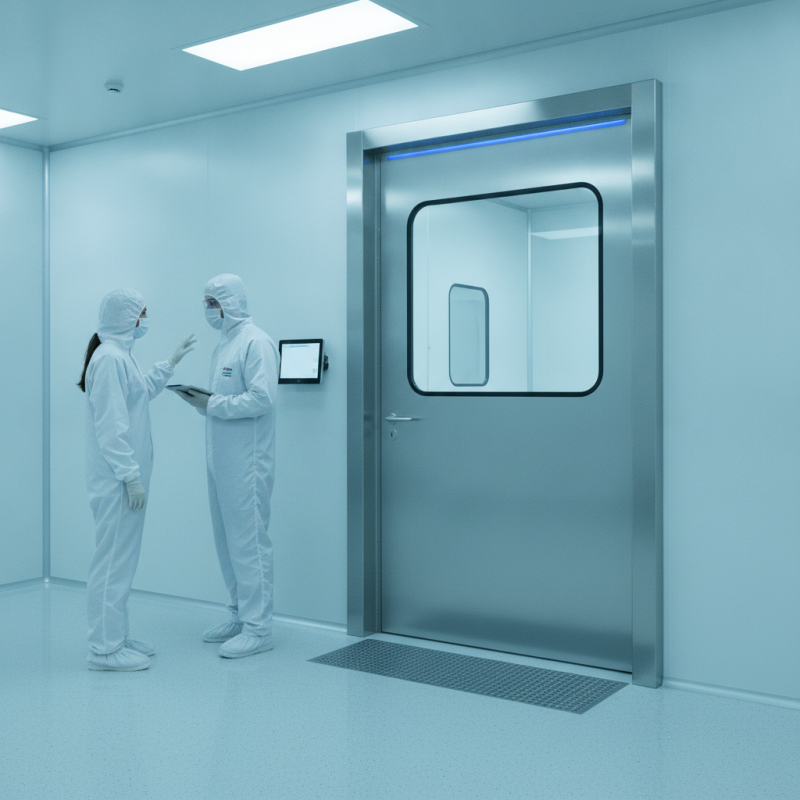
A clean room door is critical in controlled environments like laboratories and manufacturing facilities. It serves as a barrier to contaminants. The right door helps maintain strict cleanliness standards vital for sensitive processes. According to the ISO 14644 guidelines, maintaining air quality requires proper seals and materials. Any breach can lead to contamination, compromising research or product integrity.
In the pharmaceutical industry, even minor contaminants can skew results. Studies show that 30% of contamination incidents originate from improper door seals. Furthermore, clean room doors must withstand frequent use. Wear and tear can impair their effectiveness. Regular inspections are necessary to identify potential issues, like damaged seals or hinges that don’t close properly. Addressing these issues promptly can prevent bigger problems.
Utilizing high insulation materials can enhance energy efficiency and maintain temperature. The importance of air pressure differentials in clean environments further emphasizes the role of clean room doors. Despite advancements, ongoing maintenance is often overlooked. Facilities must adopt a proactive approach to ensure their clean room doors continue to meet stringent regulatory standards.
Clean room doors play a vital role in maintaining the integrity of controlled environments. These doors are built to minimize contamination and keep air quality at optimal levels. According to a report by the International Cleanroom Science and Technology Association, improper door maintenance can lead to contamination risks exceeding 10%, significantly impacting product quality. Thus, investing in high-performance clean room doors is essential.
Key features of clean room doors include airtight seals and smooth surfaces. These elements help limit particle ingress and facilitate easier cleaning. Many facilities opt for automatic doors to minimize human contact. A study from the Cleanroom Technology Journal indicates that automatic systems reduce contamination by up to 30%. However, regular inspections are required to ensure these systems function correctly.
Tips: Always choose materials that are resistant to chemicals and wear. Stainless steel is often a preferred choice. Additionally, ensure doors close properly with no gaps. This precaution helps maintain pressure differentials essential in clean rooms. Don't overlook the importance of routine maintenance checks. Such diligence can prevent minor issues from escalating into major problems.
Clean room doors serve a critical purpose in maintaining an optimal environment. The materials used in these doors greatly influence their effectiveness. Common materials include stainless steel, aluminum, and glass. Stainless steel is durable and resistant to corrosion. It offers a smooth surface that is easy to clean, which is essential in preventing contamination. Aluminum is lightweight and cost-effective. It can be coated to improve its cleanability. Glass doors allow visibility while maintaining a barrier, important for monitoring processes.
When choosing clean room door materials, consider how they will perform under different conditions. In high-traffic areas, doors may experience wear. This can lead to contamination if not regularly checked. Regular maintenance is necessary, regardless of the material chosen.
Tips: Always check the seals on clean room doors. They prevent contamination and maintain pressure. Regular inspections can identify wear early, saving time and costs. Think about the door's design too. A simple design may facilitate easier cleaning and maintenance.
| Material | Benefits | Common Applications |
|---|---|---|
| Steel | Durable, resistant to impacts and abrasions, easy to clean | Pharmaceutical, food processing |
| Aluminum | Lightweight, corrosion-resistant, customizable finishes | Electronics, aerospace |
| Fiberglass | Non-corrosive, smooth surfaces, good insulation properties | Biotechnology, cleanrooms |
| Polypropylene | Chemical resistance, lightweight, excellent for sterile environments | Laboratories, healthcare facilities |
| Stainless Steel | High durability, resistant to bacteria and rust, easy to disinfect | Food processing, pharmaceuticals |
Clean room doors play a critical role in maintaining an uncontaminated environment. Practicing proper maintenance is essential to ensure these doors remain sealed and functional. Regular inspections for wear and tear can prevent unexpected failures. Small damages can quickly escalate if not addressed. Establish a routine check for door seals and mechanisms.
Tips: Inspect door gaskets every month. Look for cracks or deformation. Replace them if they don’t form a tight seal. A clean surface around the door is vital. It helps to keep contamination outside the room.
Additionally, it’s important to train staff about proper door usage. Improper handling can cause damage that is not initially visible. Implement enforced guidelines for entering and exiting the clean room. Ensure all employees understand the significance of the clean room's integrity.
Tips: Use visual reminders near doors. Create a checklist for staff to follow. This helps reinforce best practices every time the door is used. Regularly update training materials to adapt to any changes in protocols. Maintaining focus on clean room door integrity contributes significantly to the overall cleanliness of the facility.
When designing clean room facilities, regulatory standards play a crucial role in door selection. Organizations often focus on compliance with standards such as ISO 14644 and FDA guidelines. These regulations dictate the performance and functionality of clean room doors, ensuring they minimize contamination risk. According to a report by the International Organization for Standardization, a poorly designed door can compromise an entire clean room’s integrity.
Clean room doors must maintain specific air pressure differentials. This requirement helps control airflow and limits the entry of unfiltered air. A study by the Institute of Environmental Sciences and Technology found that approximately 60% of clean room failures stem from door-related issues. Improper seals and materials that trap particulates can lead to significant inefficiencies. Such failures not only jeopardize product quality but can also incur costly downtime.
Furthermore, user behavior often impacts door performance. Operators may bypass protocols to save time, unwittingly increasing contamination risks. A survey by industry experts noted that 30% of clean room personnel admitted to improper door usage. This highlights a pressing need for continuous training and awareness. Designers should consider these human factors when developing door systems. Ultimately, while regulatory standards provide a framework, the responsibility lies with both designers and users to uphold clean room integrity.
: Clean room doors are designed to minimize contamination and maintain air quality.
Improper maintenance can lead to contamination risks that exceed 10%, affecting product quality.
They should have airtight seals and smooth surfaces to limit particle ingress.
Automatic doors can reduce contamination by up to 30% with proper function.
Inspect door gaskets for cracks and ensure they form a tight seal.
Proper handling prevents damage that might not be immediately visible.
They should adhere to enforced protocols, ensuring clean room integrity.
They dictate performance standards to minimize contamination risks in clean rooms.
Maintaining these differentials controls airflow and limits the entry of unfiltered air.
Regular checks can prevent small issues from turning into significant failures.
A clean room door is essential for facilities that require controlled environments, as it plays a crucial role in maintaining cleanliness and preventing contamination. The importance of a clean room door lies in its ability to create a barrier against pollutants, thereby ensuring that the integrity of the controlled environment is upheld. Key features of these doors include airtight seals, easy-to-clean surfaces, and resistance to chemicals, all of which contribute to optimal performance in sensitive settings.
Furthermore, the materials used in clean room doors, such as stainless steel and aluminum, offer durability and ease of maintenance. Regular maintenance practices are necessary to ensure the integrity of the door and comply with regulatory standards impacting design and usage. In response to the question, "Why do I need a clean room door for my facility?" the answer is clear: it is vital for ensuring the safety and effectiveness of operations in environments where cleanliness is paramount.

RZ door