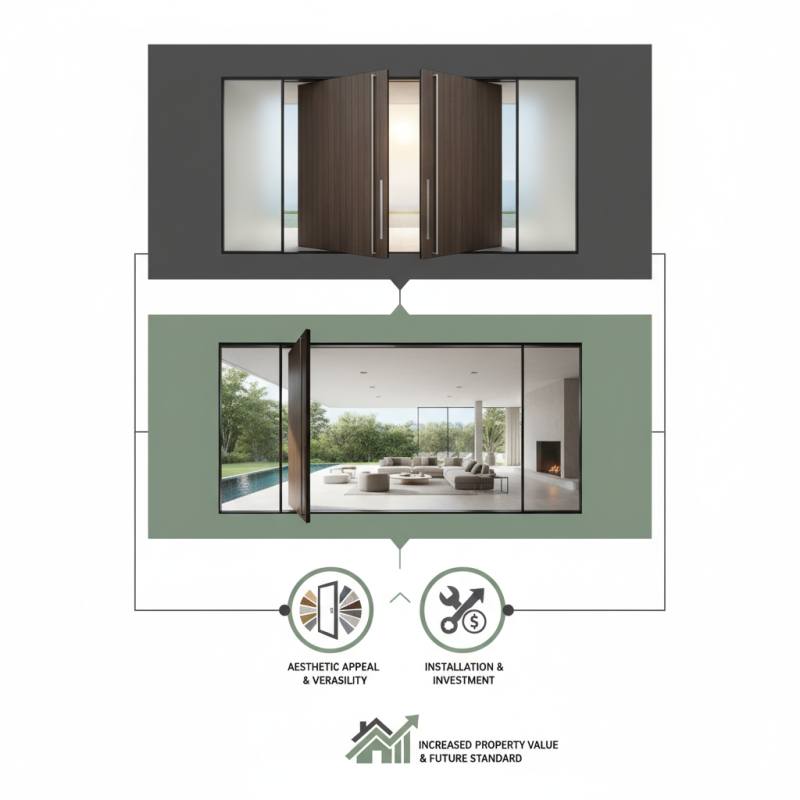
In recent years, the significance of door design has transformed within modern architecture. Why are pivot doors becoming popular in modern architecture? Their unique structure allows for larger, more dramatic openings. This creates a seamless flow between indoor and outdoor spaces. Architects and homeowners are drawn to this fluidity.
Pivot doors are not just functional; they also offer aesthetic appeal. They come in various materials and finishes, providing versatility for different styles. This adaptability makes them a preferred choice for contemporary designs. People appreciate how these doors can enhance a home's overall look.
There are challenges to consider. Proper installation is crucial for optimal performance. Without expert help, the doors may not operate smoothly. Moreover, some may find the cost of custom pivot doors to be higher than traditional options. However, the investment can increase property value. As modern architecture continues to evolve, pivot doors may become a standard feature, highlighting their growing importance and the reasons behind their popularity.
Pivot doors have gained attention in modern architecture. Their design is both functional and visually striking. A pivot door rotates on a central axis, allowing for a seamless entry experience. Unlike traditional hinged doors, they can be larger and more imposing. This feature enhances the entryway and draws visitors' eyes.
These doors often feature minimalist aesthetics. Many pivot doors are made from materials like wood, glass, or metal. They offer a contemporary look that complements modern homes. This makes them a popular choice among architects. However, their weight requires careful installation. Improper installation can lead to functional issues over time.
Furthermore, pivot doors can enhance natural light within a space. They often incorporate large glass panels, brightening interiors. Yet, this feature can raise concerns about privacy and security. Homeowners must weigh these factors before choosing them. Overall, pivot doors reflect a shift towards modern design thinking while challenging traditional concepts of entryways.
The rise in popularity of pivot doors is no accident. Their aesthetic appeal significantly enhances modern design. Pivot doors create a seamless transition between indoor and outdoor spaces. The clean lines and minimalistic look complement contemporary architecture. Designers appreciate how these doors maximize natural light and create an inviting atmosphere.
According to the National Association of Home Builders, pivot doors are increasingly chosen for high-end residential projects. They account for nearly 20% of new builds in urban areas. This trend reflects a shift towards bold design choices that prioritize both aesthetics and functionality. The large surface area of pivot doors allows for creative materials and finishes, which attract discerning homeowners.
However, it’s crucial to consider installation challenges. Precision in alignment is necessary for smooth operation. Misalignment can lead to a poor user experience. Some architects express concern over durability, particularly in extreme climates. Balancing beauty with long-term viability requires careful planning and expert installation. This makes pivot doors both visually striking and technically demanding.
Pivot doors are gaining traction in modern architecture for several functional reasons. Their unique design allows for larger door openings without the extensive framing required for traditional doors. According to a report from the American Institute of Architects, pivot doors can increase usable entry space by up to 30%. This open layout fosters a seamless flow between indoor and outdoor areas, enhancing both aesthetics and accessibility.
Another advantage is their ease of operation. Pivot doors typically rotate on a central axis, which means less effort is needed to open or close them. This feature is especially beneficial in areas with high foot traffic. In fact, a study published by ArchDaily highlighted that properties with pivot doors see a reduction in wear and tear on hinges. This translates into lower maintenance costs over time.
Pivot doors are gaining traction in modern architecture due to their aesthetic appeal and functionality. These doors are characterized by their ability to rotate on a central axis, offering a dramatic entryway that stands out. Their sleek design makes them ideal for both residential and commercial spaces. Architects are drawn to them for their versatility, allowing for larger openings without compromising structure.
Sustainability plays a significant role in the popularity of pivot doors. Many modern designs incorporate eco-friendly materials, aiding in energy efficiency. This aligns with the growing demand for sustainable architecture. However, the installation of pivot doors can be complex and may require precise measurements. Misalignment during installation can lead to functionality issues. Thus, hiring experienced professionals is crucial.
Another fascinating aspect is their ability to enhance indoor-outdoor connections. A well-placed pivot door can blur the line between living areas and the outdoors. Though stunning, these doors can create challenges in terms of security and weatherproofing. Understanding these trade-offs is important for homeowners and builders alike. They must consider how to maintain both beauty and practicality in their designs.
Pivot doors have been gaining traction in modern architecture due to their unique design and functionality. Unlike traditional hinged doors, which swing open on fixed hinges, pivot doors rotate on a central axis. This allows for larger door sizes and a seamless entry experience. The minimalistic design enhances aesthetics, making spaces feel more expansive. The clean lines of pivot doors contribute to contemporary and minimalist architecture.
When comparing pivot doors to traditional doors, there are key differences to consider. Traditional doors may require more space to swing open, limiting where they can be installed. Pivot doors, on the other hand, can be installed in tighter spaces while maximizing access. However, the installation of pivot doors can be more complex and may require professional craftsmanship. This complexity can lead to potential issues down the line if not properly executed.
Both types of doors offer unique benefits. Traditional doors can be simpler to source and install. They also come in a wide variety of styles and materials. However, they may not provide the same dramatic visual impact as pivot doors. Architects and designers face the challenge of choosing the right door for their vision. Balancing style, functionality, and practicality remains crucial in this decision-making process.
: Pivot doors have an aesthetic appeal that enhances modern design. They offer a clean, minimalistic look.
They create a seamless transition, maximizing natural light and providing an inviting atmosphere.
They are increasingly chosen for high-end projects, accounting for 20% of new builds in urban areas.
They allow for larger openings and easier operation, improving accessibility in busy areas.
Yes, properties with pivot doors experience less wear and tear on hinges, leading to lower long-term maintenance costs.
Precision in alignment is key. Misalignment can create a poor user experience and affect durability.
Yes, heavier materials may need additional support for proper function and longevity.
Regular checks maintain performance and appearance, ensuring longevity and functionality.
The focus on beauty might overshadow functional needs, requiring careful planning and professional installation.
Balancing aesthetics and durability is crucial for long-term satisfaction and practical use.
In recent years, the question "Why are pivot doors becoming popular in modern architecture" has gained significant attention. Pivot doors, defined by their unique hinge mechanism allowing them to rotate on a central axis, offer a striking aesthetic appeal that complements contemporary design. Their minimalistic appearance and the ability to create larger openings enhance visual spaces and provide a seamless transition between indoor and outdoor environments.
Additionally, the functional advantages of pivot doors are notable; they require less space to operate and can support larger panels without the structural limitations of traditional doors. Current architectural trends favor open layouts, accessibility, and innovative materials, all of which contribute to the rising popularity of pivot doors. Their blend of style and practicality makes them an increasingly sought-after choice in modern construction.

RZ door