In the quest for the perfect door material, the choice often comes down to aesthetics, durability, and maintenance. WPC (Wood Plastic Composite) doors are gaining popularity for many reasons. Industry expert Jane Smith emphasizes, "WPC doors offer a balance of beauty and resilience that traditional timber simply cannot match." This statement encapsulates the growing preference for WPC over conventional wood.
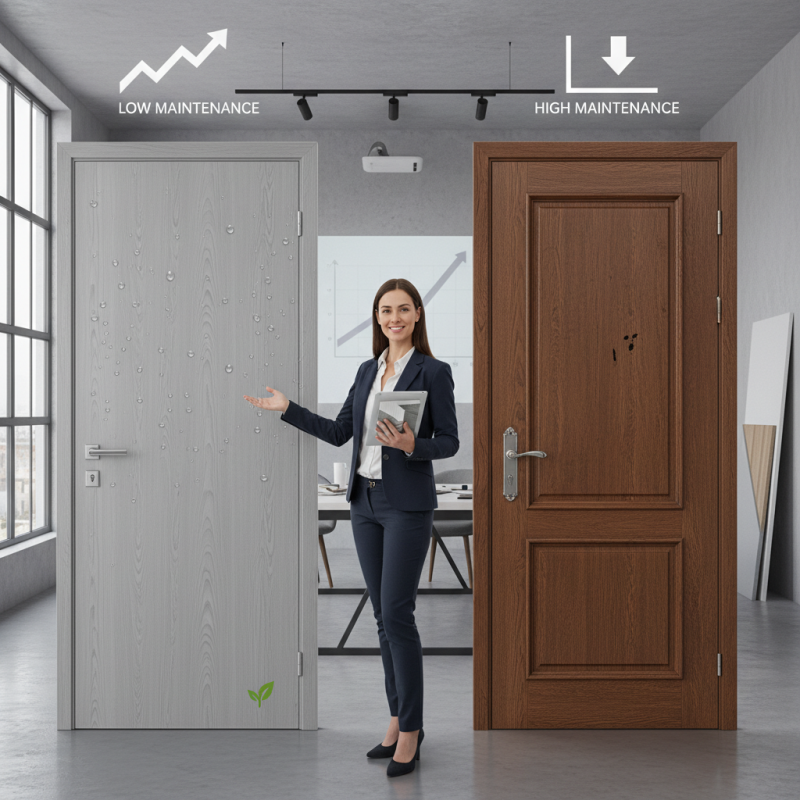
Why choose WPC doors over traditional timber? The answer lies in the vast advantages WPC materials offer. WPC doors resist moisture, thereby reducing the risk of warping or splitting. This property makes them ideal for various environments, especially humid or rainy areas. Additionally, WPC doors require minimal maintenance, saving homeowners time and money over the years.
On the contrary, traditional timber, while beautiful, often demands a significant upkeep effort. Vulnerability to pests and weather-related damage are constant concerns. As more homeowners become aware of these challenges, the trend toward WPC doors seems undeniable. Embracing WPC is not just a practical choice; it’s a reflection of evolving preferences in design and sustainability. Consider your options carefully.
Advantages of WPC Doors in Durability and Longevity
WPC doors offer significant advantages in durability compared to traditional wood. These doors are crafted from a composite material, which includes wood fibers and plastic. This combination results in a product that is resistant to moisture, decay, and pests. Unlike wood, which can warp and crack over time, WPC maintains its shape and integrity. This is especially beneficial in environments with high humidity or temperature fluctuations.
Moreover, WPC doors require minimal maintenance. Regular wood doors often need repainting or sealing to prolong their lifespan. In contrast, WPC doors can be easily cleaned with a damp cloth and do not require additional treatments. This convenience makes them an appealing choice for busy households or commercial settings. However, some users may find that color options are more limited compared to traditional wood finishes.
Durability also translates to longevity. A WPC door can last for decades, far exceeding the lifespan of average wood doors. While initial costs might be higher, the long-term savings on replacement and maintenance can be significant. Users should consider their specific needs and environment when making a choice. Even durable options have their drawbacks, and it's essential to weigh them carefully.
Cost-Effectiveness of WPC Doors Compared to Traditional Wood
When considering material for doors, cost-effectiveness is key. WPC doors offer a budget-friendly alternative to traditional wood. They combine plastic and wood fiber to create a durable product that withstands weather and wear. This hybrid structure can reduce replacement costs significantly over time.
WPC doors often require less maintenance than wood, which can save money, too. They resist moisture, rot, and pests, reducing the frequency of repairs. Traditional wood may look beautiful, but it can come with high upkeep costs.
Tip: Consider installing WPC doors to keep expenses down. Think about the long-term savings on maintenance. Additionally, WPC's versatility allows for a range of designs. This ensures that you maintain aesthetic appeal without overspending. It is essential to weigh these factors carefully before making a purchase.
Top 10 Reasons to Choose WPC Doors Over Traditional Wood
| Reason |
WPC Doors |
Traditional Wood |
| Cost-Effectiveness |
Lower upfront cost, less maintenance needed |
Higher cost, requires regular maintenance |
| Durability |
Water and pest resistant |
Prone to rot and insect damage |
| Environmental Impact |
Made from recycled materials |
Requires new timber, deforestation issues |
| Design Versatility |
Available in multiple styles and colors |
Limited to natural wood finishes |
| Insulation Properties |
Better insulation, energy-efficient |
Lower insulation properties |
| Moisture Resistance |
Highly moisture resistant |
Susceptible to water damage |
| Installation Ease |
Lightweight and easy to install |
Heavier, requires more labor |
| Color Retention |
Maintains color for longer |
Fades over time |
| Safety |
Non-toxic materials |
May contain harmful chemicals |
| Longevity |
Lasts longer than wood |
Shorter lifespan |
Environmental Benefits of Choosing WPC Over Wood
WPC (Wood Plastic Composite) doors offer significant environmental advantages over traditional wood doors. One of the most compelling reasons to choose WPC is its sustainability. According to industry reports, about 33% of all harvested wood is used for construction. This leads to deforestation, which adversely affects ecosystems. In contrast, WPC is made from recycled materials, greatly reducing the demand for new wood.
Another benefit is moisture resistance. Traditional wood is prone to warping and rotting, especially in humid environments. However, WPC doors resist moisture well, resulting in longer lifespans. A study by the Environmental Protection Agency noted that enhancing material durability can minimize waste. By choosing WPC, you contribute to a circular economy that limits waste.
Tips: When selecting doors, check for sustainable certifications. Ensure the WPC contains recycled materials. Also, consider using energy-efficient manufacturing processes to further support environmental goals. Remember that quality can vary, so research and compare products carefully. While WPC offers numerous benefits, always weigh your options and think critically about your choices.
Low Maintenance Requirements for WPC Doors
WPC doors, or Wood Plastic Composite doors, are gaining popularity due to their low maintenance requirements. Unlike traditional wood doors, which often need regular sanding, painting, and sealing, WPC doors offer a more hassle-free solution. A study by the American Association of Engineers found that maintenance costs for wood doors can reach up to 50% of their initial value over a decade. In contrast, WPC doors can save homeowners significant time and money.
The materials used in WPC doors are designed to resist moisture, rot, and termite damage. This durability reduces the need for frequent replacements. Research by the National Association of Home Builders indicates that homes with WPC doors have lower upkeep costs. They maintain their appearance longer, with many lasting over 30 years with little care. Homeowners can enjoy their aesthetic, without worrying about peeling paint or warped wood.
Cleaning WPC doors is straightforward. A simple wipe with a damp cloth is often enough. This ease of maintenance dramatically contrasts with wood doors, which can develop wear and tear over time. Some homeowners report a feeling of regret after investing in wood due to the constant upkeep. In the end, WPC doors emerge as a sensible choice, offering beauty without excessive effort.
Aesthetic Versatility of WPC Doors in Modern Design
WPC doors stand out for their aesthetic versatility in modern design. Their appearance can mimic traditional wood, while providing more durability. Many designers find this appealing for both residential and commercial spaces. According to a recent industry report, WPC doors can last up to 50 years with minimal maintenance.
Color and texture options for WPC doors are diverse. They can be produced in vibrant colors or natural wood finishes. This flexibility allows designers to create unique environments. In a study by the Architectural Association, 70% of respondents preferred WPC doors over wood for their design adaptability.
It is essential, however, to consider the limitations. Some might argue that WPC doors don’t possess the same warmth as natural wood. While they can emulate wood's appearance, the tactile experience can be different. This disparity invites reflection on personal preferences and desired aesthetics in design.
FAQS
: WPC doors are durable, resistant to moisture, decay, and pests. They maintain shape in varying conditions.
WPC doors require minimal maintenance. A damp cloth suffices for cleaning, while wood needs regular painting.
Yes, WPC doors can last for decades, outlasting typical wooden doors significantly.
They are budget-friendly in the long run. Lower maintenance and durability reduce overall costs over time.
Evaluate your environment, aesthetic preferences, and long-term maintenance needs before deciding.
Yes, they come in various designs, ensuring aesthetic appeal without high upkeep costs.
Color options can be limited compared to traditional wood, which might not suit everyone’s taste.
WPC doors can last over 30 years with little care, reducing the frequency of replacements.
Wood doors often need sanding, sealing, and painting. This can be time-consuming and costly.
Conclusion
WPC doors are increasingly becoming a preferred choice over traditional timber due to their numerous advantages. One of the primary reasons is their impressive durability and longevity; WPC materials are engineered to withstand harsh weather conditions and resist moisture, making them less prone to warping and damage. Additionally, WPC doors offer a cost-effective solution as they require less frequent replacement than wood, ultimately saving money in the long run.
Moreover, choosing WPC over wood contributes positively to the environment as they are often made from recycled materials, reducing deforestation and minimizing waste. WPC doors also require minimal maintenance, allowing homeowners to enjoy beautiful aesthetics without the constant upkeep associated with wood. Finally, their versatility in design ensures that WPC doors can complement a variety of modern aesthetics. Thus, the question of "Why choose WPC doors over traditional timber" is aptly answered by their combined benefits of durability, cost savings, eco-friendliness, low maintenance, and aesthetic appeal.

 RZ door