When considering how to stop air leaks around a front door, many homeowners overlook the importance of this task. Air leaks can significantly affect energy efficiency, leading to higher utility bills. Drafts can also result in uncomfortable indoor environments. Addressing these issues is critical for maintaining comfort and reducing energy waste.
Identifying where the air leaks occur is the first step. Common areas include the door frame, thresholds, and even the door itself. Proper sealing methods can include weather stripping and door sweeps. Choosing the right materials and techniques makes a difference in effectiveness. Yet, this task can seem daunting for those unfamiliar with home improvement.
DIY solutions may not always yield perfect results. Many homeowners find that initial attempts are imperfect. However, learning from these experiences is essential. Experimenting with various sealing products is often necessary. Each situation may require a different approach, which can be frustrating but beneficial. Through patience and diligence, anyone can effectively stop air leaks, creating a more comfortable home.
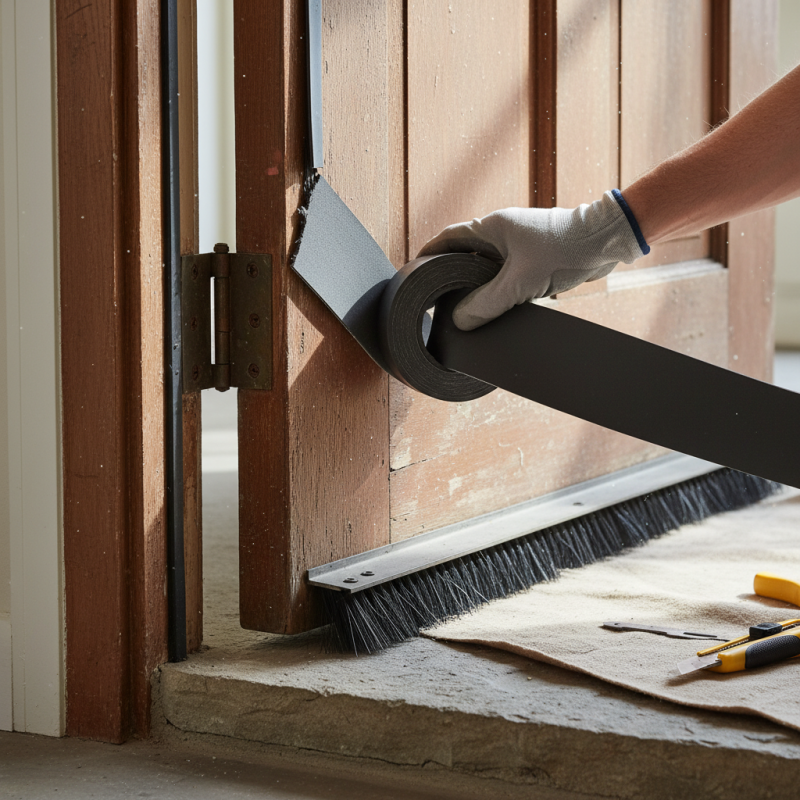
Identifying air leaks around front doors is crucial for maintaining comfort and energy efficiency. One common source is gaps between the door and its frame. These gaps can occur due to wear and tear over time. Seasonal changes can also cause door frames to expand and contract, creating openings. Pay attention to drafty areas, especially during winter.
Another source is damaged weatherstripping. Old or brittle weatherstripping can lose its effectiveness, allowing air to seep in. Inspect the rubber or foam seals around the door. If they appear worn or cracked, replacing them is essential. Even small openings can lead to significant energy loss over time.
Don’t forget the door sweeps at the bottom. A worn-out sweep can let cold air in while allowing heated air to escape. Consider adjusting or replacing it if it doesn’t fit snugly against the threshold. Being proactive about these issues can lead to improved comfort and lower energy bills. Pay attention to these details; they can make a significant difference.
When assessing the condition of your front door and frame, a thorough inspection is essential. Studies suggest that air leaks can increase your energy bills by up to 30%. Carefully examine the door’s surface and frame for any gaps or damage. Look for signs of wear, such as peeling paint or rust, which can indicate underlying issues. If the door doesn’t close tightly, even small gaps can let drafts in, causing discomfort and higher heating costs.
Tips: Use a flashlight on a dark night to spot air leaks. Shine it along the edges of the door. If you see light seeping through, you have a problem.
Weather stripping can significantly reduce air leakage. Professional guidelines recommend checking the seal every few years. Replace any worn or cracked weather stripping to maintain a snug fit around the door. Ensure that the doorframe is also secure and properly aligned. Misalignment can lead to larger gaps, worsening the issue.
Tips: Consider using a door sweep at the bottom of the door for an additional barrier. This can prevent cold air from entering under the door, particularly in winter. Small investments can lead to significant savings on energy costs.
| Dimension | Description | Condition | Recommended Action |
|---|---|---|---|
| Door Frame Alignment | Check if the door frame is level and properly adjusted. | Misaligned | Adjust the hinges and shims accordingly. |
| Weatherstripping | Inspect the weatherstripping along the door edges. | Worn Out | Replace with new weatherstripping material. |
| Door Seals | Check the top and bottom seals of the door. | Damaged | Install new door sweeps or seals. |
| Hinge Condition | Examine the door hinges for rust or wear. | Rusty/Worn | Replace hinges or apply lubricant. |
| Door Surface | Inspect for cracks or gaps on the door surface. | Cracked | Repair cracks with filler and repaint if necessary. |
Choosing the right weatherstripping is crucial for stopping air leaks around your front door. The type of material you select plays a significant role in overall effectiveness. Foam tape is simple to install and offers decent insulation. On the other hand, V-strip or tension strips provide a tighter fit but require careful measurement.
Consider climate when selecting weatherstripping. In colder areas, a thicker material may be necessary to combat harsh winds. It's also essential to assess the fit of the door itself. A warped door might lead to complications in sealing it properly. Many homeowners overlook door alignment, affecting the weatherstripping's performance.
While it can be tempting to choose the cheapest option, investing in a quality product may save money in the long run. Make sure the weatherstripping has a good seal when the door is closed. Verify its effectiveness during different times of the year. Even the most well-planned solutions may need adjustments. Regularly inspect your door’s sealing to maintain efficiency.
Air leaks around front doors can be a nuisance, affecting comfort and energy efficiency. To tackle this issue effectively, sealing gaps and installing door sweeps is essential. Door sweeps help block airflow at the bottom of the door. They come in various materials like rubber, vinyl, or metal, providing options for different needs. When choosing a door sweep, consider durability and insulation properties. A poorly chosen material may wear out quickly or fail to seal effectively.
Properly sealing gaps around the door frame is equally crucial. Use weatherstripping to fill any cracks or spaces. This material can compress and create a snug fit. Measure the gap size before purchasing to ensure a good match. Miscalculating can lead to wasted time and resources.
Additionally, inspect the door regularly. A shift in the door frame can create new leaks. Addressing these small problems can prevent larger energy loss, leading to higher bills. Addressing air leaks isn’t always straightforward, but careful attention to detail can yield significant improvements.
Inspecting and maintaining door seals is crucial for energy efficiency. Over time, seals can wear out due to weather, temperature changes, or simple aging. A professional inspection of seals can uncover small cracks or gaps that often go unnoticed. Regular checks ensure that air leaks are minimized. Aside from visual inspections, a simple test is to close the door on a piece of paper. If you can pull it out easily, the seal needs attention.
To improve long-term performance, consider using high-quality materials for replacements. Weatherstripping and door sweeps can be effective barriers against drafts. However, not all seals perform equally; some may require more frequent replacements. It's important to choose the right type based on your door's usage and the climate you are in.
Maintaining door seals isn't just a one-time task. Regular upkeep, such as cleaning the surfaces and checking for debris, can prolong their life. Document any changes you notice, like increased drafts or noise. Reflection on these details may reveal patterns that could save you money. Overall, consistent care leads to better energy savings and comfort in your home.
: Use a flashlight at night. Shine it along door edges. Look for any light coming through.
Check for peeling paint, rust, or gaps in the frame. These issues can lead to larger problems.
Inspect seals every few years. Regular checks help uncover unnoticed cracks or gaps.
This indicates that the seal isn't tight. It needs attention to improve energy efficiency.
Yes, proper weather stripping prevents air leakage. Replacing worn ones can save on energy costs.
Yes, a door sweep adds another barrier. It helps block cold air, especially in winter months.
High-quality materials are preferable. They ensure better performance against drafts and last longer.
Cleaning and checking for debris prolongs seal life. This leads to improved energy savings over time.
Absolutely. Small efforts, like repairs, can lead to significant savings in energy bills and increased comfort.
Consider door usage and local climate. Selecting the appropriate seal ensures better effectiveness and reduces the need for replacements.
When considering how to stop air leaks around a front door, the first step is to identify common sources of leaks, which often occur around the door frame and seams. A thorough assessment of the door's condition and its frame will help to determine the best solutions for sealing gaps effectively.
Next, selecting the appropriate weatherstripping is crucial, as it can significantly enhance the door's insulation. Installing door sweeps will further aid in blocking any remaining drafts. Regular maintenance and inspection of door seals are essential for ensuring long-term performance, allowing homeowners to maintain energy efficiency and comfort in their homes. By following these steps, you can effectively address air leaks and improve your front door’s overall sealing.

RZ door