When considering exterior front doors for cold climates, selecting the right material is crucial. Homeowners often ask, "What is the best material for front doors in cold climates?" Industry expert Dr. Emily Roberts, a leading researcher at the National Door Institute, emphasizes the importance of insulation. She states, “The right door material can significantly influence energy efficiency and comfort in frigid temperatures.”
According to recent data from the U.S. Energy Information Administration, around 45% of a home’s energy loss occurs through doors and windows. In colder regions, this can escalate heating costs significantly. For this reason, understanding door materials is essential. Options like fiberglass, steel, wood, and composite materials all present unique advantages and challenges.
Choosing wisely can prevent heat loss and enhance security. The best materials often combine thermal efficiency with aesthetic appeal. However, the market is filled with choices, making the decision difficult. Homeowners must reflect on their specific needs, climate conditions, and long-term investments to find the ideal solution.
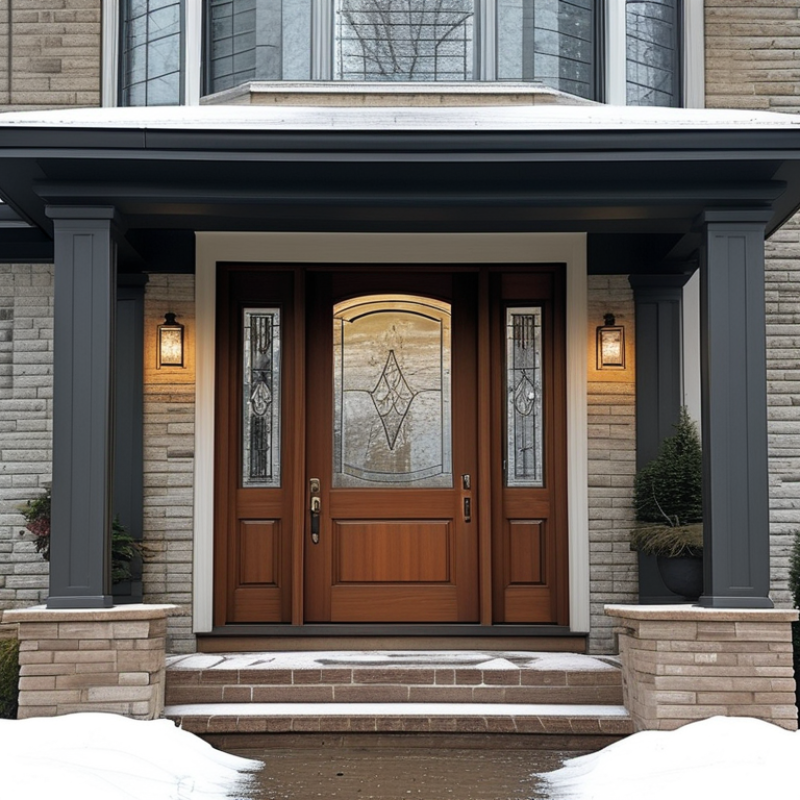
Choosing the Right Material for Cold Climate Front Doors
In cold climates, choosing the right material for front doors is essential. The door must withstand harsh weather conditions. Insulation is vital. It helps keep heat inside your home. One popular option is fiberglass. This material is durable and energy-efficient. It is also resistant to moisture and does not warp.
Wood is another classic choice. It offers natural beauty and warmth. However, untreated wood may swell or crack in extreme temperatures. Regular maintenance is required.
Steel doors are known for their strength. They provide excellent security. But they can become cold to the touch, making insulation a priority.
Vinyl is gaining popularity too. It is lightweight and easy to maintain. Vinyl doors can mimic wood's appearance without the same vulnerabilities.
Choosing the right door material requires careful consideration. Think about your local climate and your home's design. Reflect on how each material will perform over time.
Thermal Insulation Properties of Common Door Materials
When choosing front doors for cold climates, thermal insulation is crucial. The primary materials have unique properties that affect energy efficiency. Wood, for example, offers decent insulation but requires maintenance. It can expand and contract with temperature changes, leading to cracks over time. This can result in costly repairs.
Fiberglass is another option. It has a high R-value, which measures insulation effectiveness. Fiberglass doors do not warp or swell like wood. Yet, their initial cost can be higher. Moreover, they require proper installation to ensure optimal performance. Misalignment can negate their insulating benefits, creating drafts.
Steel doors provide strength and security. However, they often have less thermal resistance compared to wood and fiberglass. The addition of foam insulation can improve their efficiency. Even so, if scratched, steel can rust and may require touch-ups. Each material has its pros and cons, reflecting the need for careful consideration in cold environments.
Durability and Weather Resistance Considerations
Choosing the right materials for front doors in cold climates is crucial for durability and weather resistance. Wood, for instance, offers natural insulation. However, it can warp due to moisture and extreme temperatures. Hence, proper sealing and regular maintenance become necessary. Composite materials combine the best of wood and synthetic options. They resist warping and often come with added weather-resistant features.
Fiberglass doors are a popular choice as well. They offer high insulation values and resist dents. While they may not provide the natural look some desire, their longevity matters in harsh environments. Steel doors, when insulated properly, can be extremely durable. They resist cold winds and are difficult to break, though they can rust if not maintained well.
Every material has its strengths and weaknesses. Consideration of installation area and exposure to elements is vital. What works for one home may not be suitable for another. Reflecting on personal needs and local climate can guide you in making an informed choice. Ultimately, investing in quality materials can lead to long-term satisfaction and warmth.
Maintenance Requirements for Front Door Materials
Choosing the right material for front doors in cold climates is essential. Each material comes with unique maintenance needs.
Wood doors offer beauty but require regular sealing and staining. They can warp or crack without proper care. Homeowners must check for signs of wear, particularly in harsh winters.
Fiberglass doors are low-maintenance but not maintenance-free. Regular cleaning keeps them looking new. Inspect seals and joints regularly.
A small crack can lead to heat loss and higher energy bills. Metal doors, while durable, can rust. They also need periodic painting to protect against corrosion.
Vinyl doors resist harsh weather but may fade. A quick wash with soap and water helps maintain their look. The challenge lies in prevention.
Failing to perform simple maintenance can lead to bigger problems. Investing time in upkeep can save money and enhance comfort in the long run.
Cost-Effectiveness of Different Front Door Options in Cold Weather
When considering front doors for cold climates, cost-effectiveness is key. Insulation plays a crucial role in energy savings. Solid wood doors offer good insulation, but they can be pricey. A fiberglass door is often a smart choice. It mimics wood but is more energy-efficient and less costly over time. This can reduce heating bills significantly.
Steel doors provide durability and excellent insulation. They resist warping and cracking in cold weather. However, their upfront cost can be higher. An aluminum door might seem affordable. Yet, it tends to conduct cold better than other materials. This can lead to higher energy costs in the long run. A balance between initial investment and future savings is essential to consider.
Forget about aesthetics alone. Focus on efficiency. Installation quality impacts performance too. Poorly sealed doors can leak heat, negating any benefits. Thus, it is vital to ensure proper installation and maintenance. Rethink price tags. Sometimes, spending more upfront leads to better performance and savings down the line. This consideration often gets overlooked but is crucial for long-term value.
Top 5 Materials for Front Doors in Cold Climates
FAQS
: Wood, composite materials, fiberglass, and insulated steel are good options.
Yes, wood doors need regular sealing and staining to prevent warping or cracking.
Fiberglass doors provide high insulation and resist dents, but they lack a natural look.
Yes, if not maintained properly, steel doors can rust despite their durability.
Metal doors require periodic painting to avoid corrosion and maintain their condition.
Regular washing with soap and water helps prevent fading and keeps them looking new.
Inspect seals and joints regularly for small cracks to prevent heat loss.
Yes, skipping maintenance can cause bigger problems and increase energy bills over time.
Local climate and specific exposure to elements can influence which door material is best.
Reflecting on personal needs and local climate is vital for making an informed decision.
Conclusion
When selecting the best material for front doors in cold climates, it is crucial to consider thermal insulation properties that prevent heat loss and enhance energy efficiency. Common materials such as fiberglass, steel, wood, and vinyl each offer unique benefits in terms of insulation and durability. Fiberglass doors, for instance, provide excellent thermal resistance, while steel offers great security and weather resistance, albeit with less insulation than fiberglass.
Durability and weather resistance are key factors when choosing a front door material, as they must withstand harsh winter conditions, including snow, ice, and wind. Additionally, maintenance requirements vary; some materials may demand regular upkeep while others are low-maintenance. Finally, evaluating the cost-effectiveness of different options in cold weather is essential to ensure you select a door that balances initial cost with long-term savings on heating bills. Ultimately, the best material for front doors in cold climates combines insulation efficiency, durability, and appropriate maintenance levels, making it a worthwhile investment for homeowners.

 RZ door