In today's commercial spaces, safety is paramount. A significant aspect of this is understanding fire rating requirements for commercial doors. These ratings determine how well a door can withstand fire exposure. Business owners often overlook this essential aspect. Misunderstanding fire ratings can lead to catastrophic consequences.
What are the fire rating requirements for commercial doors? This question deserves careful consideration. Each door has a rating that indicates its fire resistance. These ratings can range from 20 minutes to several hours. Knowing the right rating is crucial for compliance and safety.
Selecting doors that meet fire safety standards can protect lives and property. Ignoring these requirements can result in severe penalties. It may also lead to increased risks during emergencies. Therefore, understanding fire ratings is not just a legal obligation; it is a necessary step towards enhancing overall safety in the workplace. Understanding these ratings helps ensure a safer environment for all.
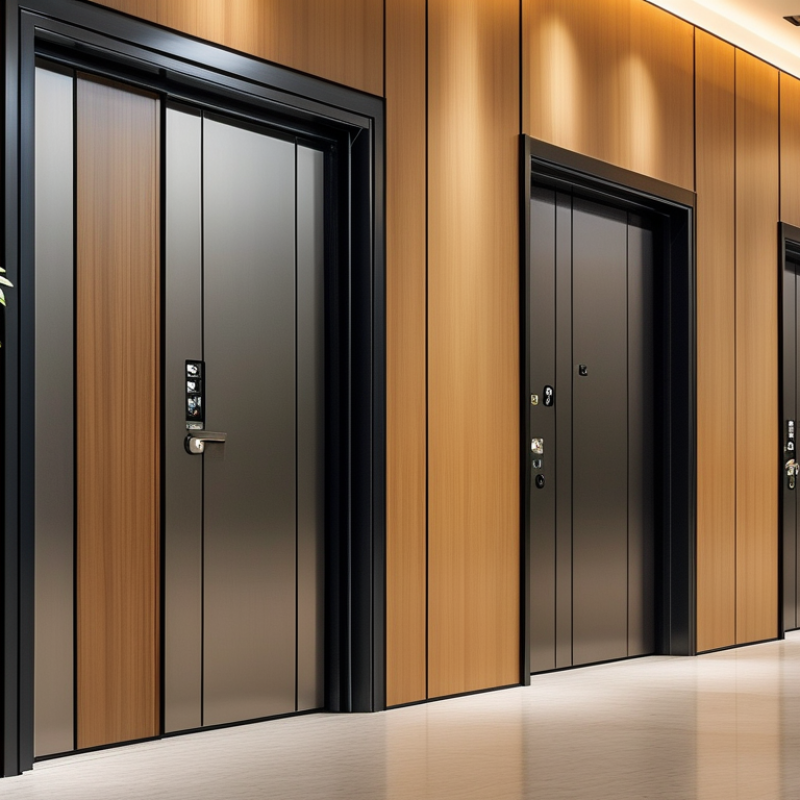
Fire ratings hold significant importance in the design of commercial doors. These ratings indicate the door's ability to withstand fire and prevent its spread. This is vital for ensuring the safety of workers and customers within a building. Many businesses overlook the need for fire-rated doors, which can lead to severe consequences. Understanding these requirements is essential for compliance with safety regulations.
Tips: Always consult with fire safety experts during the design phase. They can provide valuable insights tailored to your specific needs. Additionally, regularly test fire doors to ensure they function correctly. Regular maintenance can extend the lifespan of these doors and enhance safety.
Beyond compliance, fire-rated doors impact insurance premiums. Insurers may offer lower rates for businesses that prioritize fire safety. This demonstrates a commitment to safety, which can build consumer trust. Yet, businesses sometimes underestimate these benefits. Ignoring fire rating requirements can result in higher risks and costs down the line.
Understanding fire rating requirements for commercial doors is crucial for safety and compliance. Key regulations govern these doors, ensuring they can withstand fire and smoke for a specific period. The National Fire Protection Association (NFPA) estimates that fire-rated doors can save lives and protect property by slowing fire spread. These doors must meet standards set by the International Building Code (IBC) and NFPA 80.
Compliance with these regulations not only enhances safety but also minimizes liability. A fire-rated door must be properly installed and maintained. Regular inspections are essential. According to industry data, about 25% of fire-rated doors fail to meet required standards due to improper installation. Neglecting maintenance can lead to catastrophic results.
Tips: Always check for labels on fire doors. Ensure they are certified by recognized testing laboratories. Educate your staff about emergency protocols related to fire doors. Small lapses can have significant consequences. Regular training can reinforce the importance of following fire safety guidelines.
Ensure your fire-rated doors are an integral part of your safety plan. They are not just regulatory requirements; they are vital for protecting lives. Awareness of their importance and upkeep is essential for any facility manager.
Fire ratings are essential for commercial doors. They determine how long a door can withstand a fire. Understanding types of fire ratings helps in choosing the right door for safety.
There are several classifications of fire ratings. A 20-minute fire rating means the door can resist fire for 20 minutes. This is often suitable for areas with less risk. A 60-minute rating offers more protection. It is ideal for high-traffic areas or buildings with flammable materials. Some facilities, like hospitals, may require doors with a 90-minute rating. Each rating has specific applications and should meet local safety codes.
Choosing the wrong fire rating can have serious consequences. It may put lives at risk. Fire doors must be installed correctly for effectiveness. Regular inspections should ensure compliance with safety standards. Knowledge of fire ratings leads to informed decisions, enhancing overall safety.
| Fire Rating Type | Time Rating (Minutes) | Typical Application | Material Used |
|---|---|---|---|
| Class A | 20 Minutes | Storefronts and Commercial Buildings | Steel |
| Class B | 45 Minutes | Offices and Warehouses | Hollow Metal |
| Class C | 60 Minutes | Manufacturing Facilities | Wood Core or Steel Composite |
| Class D | 90 Minutes | High-Risk Areas | Solid Wood or Fire-Rated Steel |
| Class E | 3 Hours | Multi-Story Buildings | Write Fire-Rated Steel |
Understanding fire ratings for commercial doors is crucial for building safety. According to a report by the National Fire Protection Association (NFPA), fire doors can significantly reduce the spread of smoke and flames, which makes timely evacuation possible. Inappropriate ratings may lead to devastating consequences, potentially endangering lives and property. Fire-rated doors help contain fires, offering critical time for evacuation and minimizing damage.
Tips: Always verify the fire rating of doors during inspections. Ensure doors are properly installed and maintained for maximum effectiveness. Regular checks can reveal hidden issues that may compromise safety.
Building codes mandate specific fire rating requirements based on occupancy type and building height. Compliance ensures that commercial facilities meet safety standards set by organizations like the International Building Code (IBC). Ignoring these requirements can lead to penalties or increased insurance costs. Regular training of staff on fire safety protocols can bolster compliance efforts.
Tips: Schedule regular training sessions for your team. Knowledgeable staff can respond effectively in an emergency. Safety practices should evolve with updated regulations and techniques.
When selecting fire-rated doors, it’s crucial to match them with specific needs. Different settings require different fire ratings. For instance, a study by the National Fire Protection Association (NFPA) indicates that over 70% of businesses face risks related to fire. Hence, choosing the correct fire-rated door can be pivotal in mitigating these risks.
There are various classes of fire-rated doors, ranging from 20 minutes to 3 hours of fire resistance. Knowing the required rating can save lives and property. For example, a facility managing hazardous materials should prioritize higher-rated doors. In contrast, typical office spaces may only need lower ratings. Yet, many businesses overlook these specifications, often resulting in inadequate safety measures.
The placement of fire-rated doors is equally important. According to recent reports, improper positioning can reduce their effectiveness by up to 40%. Installing doors in high-traffic areas may impede access during emergencies, yet some designs lack sufficient clearance. This oversight can lead to critical safety failures. Understanding these nuanced requirements can significantly enhance the safety protocols in any commercial property.
: They help slow fire spread, saving lives and protecting property during emergencies.
Key regulations include the International Building Code and NFPA 80.
Regular inspections are essential to ensure compliance and safety.
About 25% fail to meet standards, posing serious safety risks.
Consider fire ratings, the setting needed, and specific safety risks.
Fire-rated doors range from 20 minutes to 3 hours of protection.
Improper placement can reduce effectiveness by up to 40%.
Ensure they are certified by recognized testing laboratories for reliability.
Awareness can prevent small lapses that may lead to significant consequences.
Many businesses overlook ratings, putting lives at risk during emergencies.
Understanding fire rating requirements for commercial doors is crucial for ensuring the safety and compliance of buildings. Fire ratings indicate how long a door can withstand exposure to fire and prevent it from spreading, playing a vital role in the overall fire safety strategy of a facility. Key regulations govern these ratings, detailing specific criteria that commercial doors must meet to be considered fire-rated.
There are various types of fire ratings applied depending on the intended use, with each serving specific applications to safeguard property and lives. Selecting the right fire-rated door involves assessing these ratings in relation to the specific needs of a building, thus ensuring adherence to safety regulations. Ultimately, grasping what the fire rating requirements for commercial doors are not only aids in regulatory compliance but also significantly enhances building safety.

RZ door