Why Does My Wooden Door Stick in Winter Solutions to Fix It?

Time:2026-05-01 Author:Ethan
0%

As winter approaches, many homeowners face a common issue: "Why does my wooden door stick in the winter?" This question often arises when the temperature drops and humidity levels fluctuate. Wooden doors are sensitive to these changes. They expand and contract, leading to sticking or misalignment.

The problem can be frustrating. A door that won’t open or close freely interrupts daily life. Many people wonder if it's a sign of a larger issue. Fortunately, understanding the science behind this phenomenon can lead to effective solutions. It is important to recognize that you are not alone in this struggle.

Identifying why your door sticks is the first step. You might consider factors like temperature and humidity levels in your home. A simple test can reveal if your door frame is warped. Sometimes, a little maintenance is all it takes to restore function. Knowing when to seek professional help is crucial. This guide will explore practical tips and strategies to address the issue of sticking wooden doors during winter.
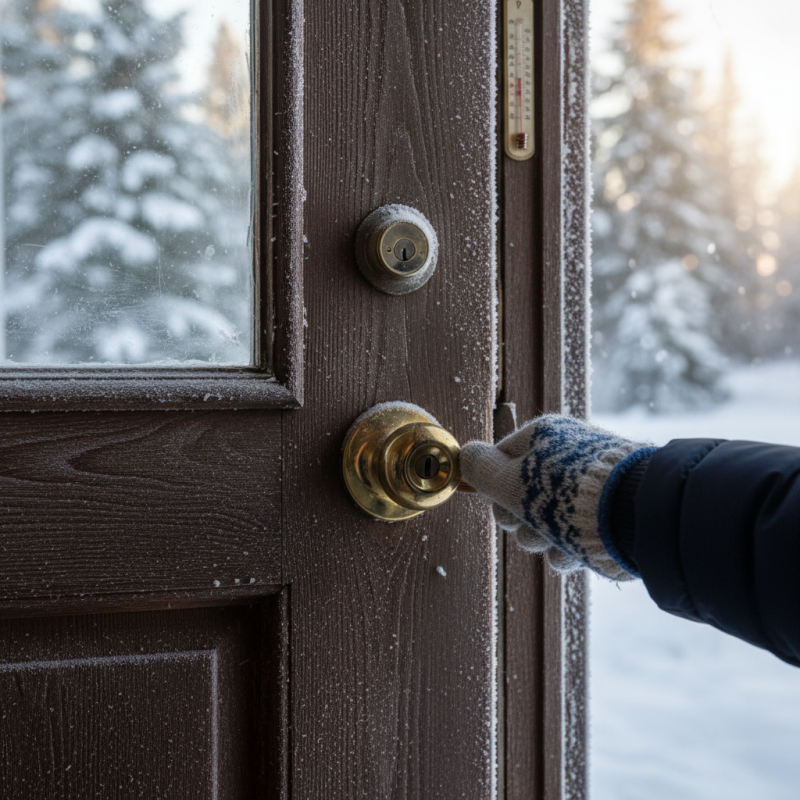
Why Does My Wooden Door Stick in Winter Solutions to Fix It?

Reasons Wooden Doors Stick in Winter Due to Humidity Changes

Winter brings challenges for wooden doors. As temperatures drop, humidity levels shift. This change can cause wooden doors to swell. A study from the Wood Products Council indicates that wood can absorb moisture, expanding by 0.1% to 0.4% per 10% increase in relative humidity. This expansion leads to sticking doors that may not close properly.

The increase in humidity can be particularly noticeable. In winter, heating systems may dry out the air inside homes. Yet, outdoor humidity can remain high, especially during certain weather patterns. This contrast causes wood to absorb moisture, leading to deformation. Many homeowners report that their doors become more difficult to open or close as the seasons change.

Solutions exist for this common problem. Regular maintenance is key to address swelling. Sanding down the edges can create a better fit. Additionally, using a dehumidifier during winter can help stabilize indoor humidity levels. Monitoring moisture levels in the air can prevent wood from warping. Understanding these factors can lead to a smoother experience with wooden doors.

Common Symptoms of a Sticking Wooden Door During Cold Weather

When winter arrives, many homeowners notice their wooden doors sticking. This common issue can be attributed to the effects of cold weather on wood. Humidity levels drop, causing wooden doors to shrink. According to a report by the National Wood Window and Door Association, a significant percentage of homeowners experience this problem during colder months.

You may notice several symptoms. Your door might drag against the frame. It could also be difficult to latch or completely close. In some cases, you may hear squeaking or grinding. These signs often indicate that the door has expanded or the frame has shifted due to temperature changes.

To alleviate the sticking, consider applying a lubricant to the hinges. Use a product designed for door hardware. Another effective method is to check the door alignment. Adjusting the hinges or shimming can provide you with a smoother operation. Lastly, maintaining a consistent indoor humidity level can help. A small dehumidifier may be beneficial.

Regular inspections of door fit are crucial. Pay attention to any changes throughout the seasons. Keeping your doors well-maintained can prevent long-term damage. A little effort now can save you from future hassles as winter approaches.

Step-by-Step Solutions to Fix Sticking Wooden Doors

Wooden doors often stick in winter due to changes in humidity and temperature. As the air gets colder, wood can absorb moisture, causing it to swell. In fact, research shows that wooden doors can expand up to 0.25 inches during colder months. This can create frustrating issues when trying to open or close them.


To fix a sticking wooden door, start by checking the hinges. Loose hinges can cause misalignment. Tighten them gently with a screwdriver. If that doesn’t help, consider sanding down the areas that are sticking. Use fine-grit sandpaper for more control and to prevent over-sanding. This process may take time and patience, as removing too much wood can create gaps.


Another solution is to apply a silicone-based lubricant to the hinges. This helps reduce friction while allowing the door to move smoothly. However, remember that over-lubrication can attract dirt. If your door continues to stick, it might be due to structural issues or moisture in your home's walls. In such cases, consult a professional for an assessment. Addressing these problems can lead to a long-term fix, making your door functional again.

Preventative Measures to Avoid Sticking Doors in Future Winters

Winter can be harsh on wooden doors, leading to frustrating sticking issues. To prevent this, consider humidity control. Wood expands with moisture and contracts in dry conditions. A 2018 survey showed that homes with controlled humidity levels experienced 30% fewer sticking doors. Maintaining indoor humidity between 30% and 50% can significantly reduce these problems. Using a hygrometer can help monitor these levels effectively.

Another helpful tip is to adjust the door hardware. Even small changes in hinges and locks can create gaps or cause misalignment. Regular maintenance checks are crucial. A comprehensive report from the National Association of Home Builders (NAHB) indicates that 25% of homeowners neglect regular door upkeep. This oversight may lead to long-term damage and costly repairs. Regularly lubricating hinges and tightening screws can prevent alignment issues.

Additionally, applying weather stripping can create a seal, protecting the door from moisture and temperature fluctuations. Ensure that your door frame is well-painted or stained to reduce wood absorption. A study showed that properly maintained doors last longer, reducing replacement costs by up to 40%. Awareness and proactive maintenance are key to avoiding the winter struggle of sticking doors.

Why Does My Wooden Door Stick in Winter Solutions to Fix It? - Preventative Measures to Avoid Sticking Doors in Future Winters

Issue Solution Preventative Measure
High Humidity Use a dehumidifier to reduce moisture. Ensure proper ventilation in the area.
Temperature Fluctuations Adjust door hinges or trim the door if necessary. Install weather stripping to maintain a stable indoor temperature.
Wood Expansion Sand the edges of the door to ensure a proper fit. Apply a sealant to protect the wood from moisture.
Hinge Issues Lubricate hinges with oil or graphite. Regularly check and maintain door hardware.
Warping Replace warped doors or use a door repair kit. Store doors in a climate-controlled environment.

When to Seek Professional Help for Sticking Wooden Doors

In winter, wooden doors often expand and stick due to humidity changes and temperature drops. This can be a mild nuisance or a serious problem. If your door has significant resistance when opening or closing, it might be time to seek professional help.

When to call in an expert? If you notice cracks or visible warping on the door, these are signs of severe damage. A door that sticks consistently might also indicate issues with the door frame, which can compromise security. Professional assessment can provide insights beyond simple DIY solutions.

Tips: Regular maintenance can prevent many sticking issues. Checking the door alignment and hinges often helps avoid bigger problems. Additionally, apply a lubricant to the hinges every few months. This small step can significantly enhance functionality.
Some homeowners ignore the signs, hoping the problem will go away. However, that often worsens the situation. Dealing with stubborn doors can be frustrating, but ignoring them could eventually lead to costly repairs. Assess your door regularly to avoid escalation and ensure peace of mind in your home.

FAQS

: Why do wooden doors stick in winter?

: Wooden doors stick due to humidity changes. As temperatures drop, wood absorbs moisture, causing it to swell.

How much can wood expand with humidity?

Wood can expand by 0.1% to 0.4% per 10% increase in humidity. This leads to doors that don't close properly.

What maintenance is needed to prevent sticking doors?

Regular maintenance is essential. Sand down door edges and lubricate hinges to keep doors functioning smoothly.

How can humidity control help?

Maintaining indoor humidity between 30% and 50% can reduce sticking doors. Use a hygrometer to monitor the levels.

When should I consider professional help for my door?

Seek professional help if your door resists opening or shows cracks. These signs may indicate severe damage.

What are some common homeowner oversights?

Many homeowners neglect regular door upkeep. Ignoring maintenance can lead to long-term damage and costly repairs.

How can weather stripping help?

Applying weather stripping creates a seal, protecting the door from moisture and temperature changes.

Why is monitoring door alignment important?

Regularly checking door alignment prevents bigger issues. Misaligned doors might lead to more significant maintenance needs.

What can happen if I ignore sticking doors?

Ignoring sticking doors may worsen the problem. It could eventually lead to expensive repairs and replacements.

How can I ensure my wooden door lasts longer?

Proper maintenance and care can extend your door's lifespan, potentially reducing replacement costs by up to 40%.

Conclusion

Wooden doors often stick in winter due to changes in humidity, which can cause the wood to swell. This issue can manifest through common symptoms such as difficulty in opening or closing the door or visible gaps. To address the question, "Why does my wooden door stick in the winter," it’s essential to understand the environmental factors at play and implement effective solutions.

Step-by-step methods to fix a sticking door include sanding down the areas causing friction and adjusting the hinges. Additionally, preventative measures such as applying weatherstripping or maintaining consistent indoor humidity levels can help avoid future problems. If these solutions do not resolve the issue, seeking professional help may be necessary for more serious underlying damage.

Ethan

Ethan

Ethan is a seasoned marketing professional with a deep expertise in our company's innovative product line. With a passion for sharing knowledge and insights, he takes the lead in regularly updating our corporate blog, where he explores industry trends, product features, and effective marketing......