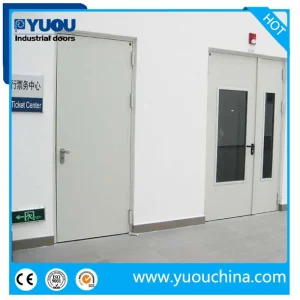
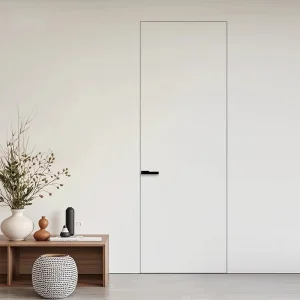
Explore our premium selection of precision-engineered exterior bifold doors, frameless minimalist entries, and heavy-duty fire-rated security doors designed for diverse architectural requirements.
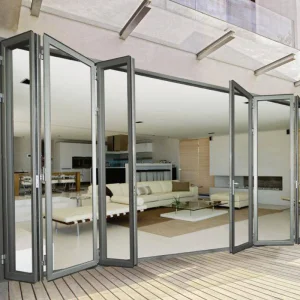
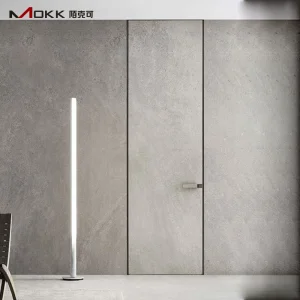
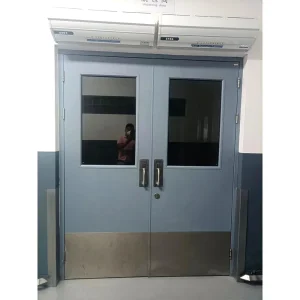
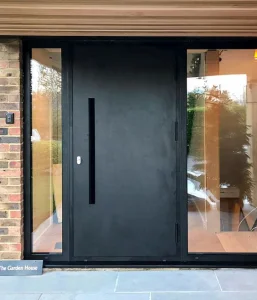
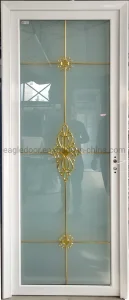
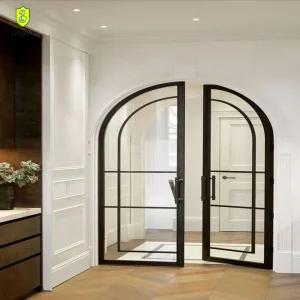
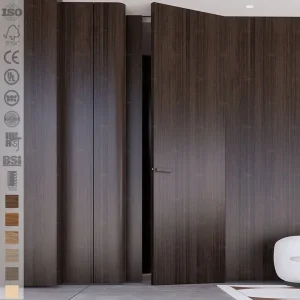
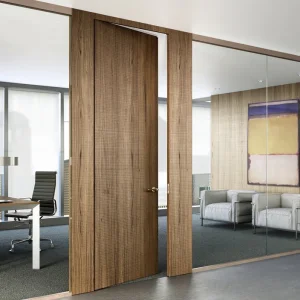
As modern building codes globally tighten energy efficiency mandates, the structural role of building envelope components has transitioned from simple physical barriers to high-efficiency thermodynamic systems. Thermal break doors, engineered using non-conductive barrier polymers inserted between metallic structural extrusions, represent the leading standard in modern fenestration architecture.
Global regulatory bodies like Europe's EPBD and North America's ASHRAE 90.1 demand lower total building U-values. Thermal break profiles are essential to eliminate structural thermal bridging in high-density multi-family and commercial developments.
China continues to act as the primary manufacturing hub for precision architectural extrusions. Chinese OEM and ODM operations offer advanced surface finishes, integrated structural glazing, and certified assemblies that meet stringent international regulatory criteria.
The structural transition from generic aluminum to complex Polyamide 6.6 with 25% glass fiber (PA66 GF25) thermal barriers has significantly enhanced tensile strength and thermal resistivity, preventing physical shearing under extreme wind loads.
Industrial project developers, architectural firms, and wholesale importers face differing geographic demands. A single door design is insufficient; systemic adaptations are required to ensure durability, low maintenance, and energy savings over multi-decadal cycles.
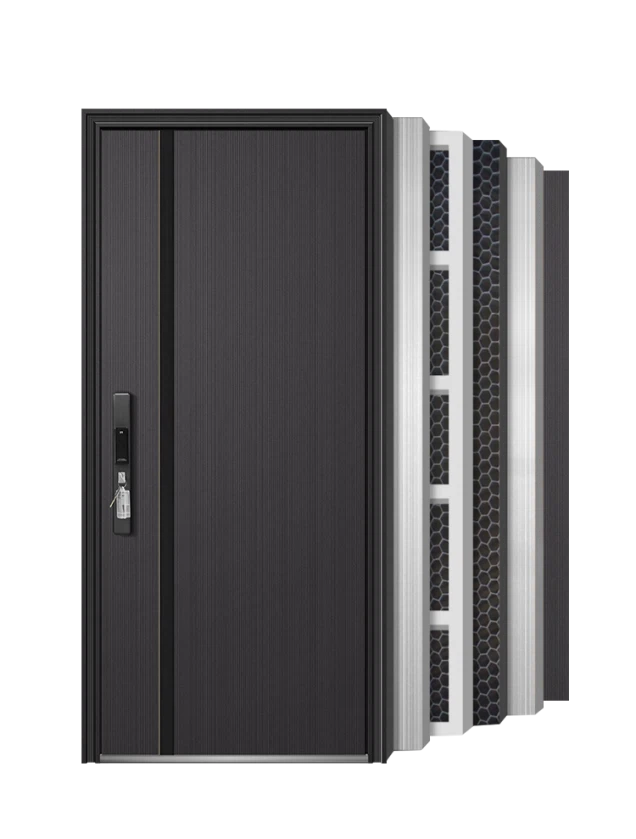
Selecting the correct profile layout directly impacts HVAC sizing, regulatory approval, and overall operational longevity. The matrix below outlines how different frame styles perform under standard testing environments:
| Profile System Category | Typical Frame Width | U-Value Performance Range | Primary Thermal Barrier Type | Structural Load Rating |
|---|---|---|---|---|
| Standard Aluminum Door Profile | 50mm - 60mm | 3.5 - 5.0 W/m²·K | None (Monolithic) | Medium to High |
| Pour-and-Debridge Polyurethane | 60mm - 70mm | 2.2 - 2.8 W/m²·K | Polyurethane Cavity Fill | Medium |
| Polyamide Strut Thermal Break | 70mm - 80mm | 1.4 - 1.8 W/m²·K | PA66 GF25 Polyamide Strut | High |
| Multi-Cavity Passivhaus Profile | 85mm - 120mm | 0.7 - 1.1 W/m²·K | Polyamide + Aerogel Inserts | Extra High |
Operating cooperatively, Jiangsu RZ Door Co., Ltd. and Yongkang Jiahua Electronic and Mechanical Co., Ltd. represent over 22 years of expertise in high-performance door design. We deliver residential, commercial, and industrial door solutions globally, ensuring all regulatory parameters are met with precision.
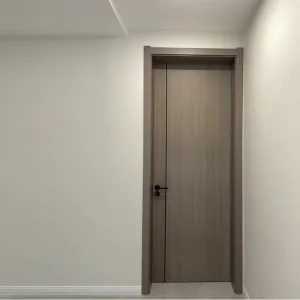
Our extensive portfolio spans high-end luxury cast aluminum doors, German-style Class A security steel doors, solid wooden doors, melamine wooden doors, and eco-friendly WPC doors. This range allows us to deliver both standardized solutions and highly customized designs tailored to client architectural requirements.
We supply products to 56+ countries across Asia, Europe, Africa, North America, and South America. Offering flexible OEM and ODM services, we provide design advice and product development support, ensuring seamless processes from conceptual design to container delivery.
Looking forward, the integration of advanced metallurgy, polymer science, and building information modeling will continue to drive the development of structural thermal break doors.
Combining VIG (which offers a center-of-glass U-value of under 0.5 W/m²·K) with wide-cavity polyamide frame profiles reduces the overall assembly depth while maintaining superior thermal insulation.
Next-generation thermal break entries will integrate built-in micro-sensors, motorized multipoint locksets, and electrochromic glass systems powered by low-voltage architectural wiring.
In response to green building certifications (LEED, BREEAM), research is focusing on substituting fossil-fuel-based polyamides with bio-derived polymers containing high recycled content to minimize embodied carbon.
Our engineering and quality control departments address common inquiries regarding thermal break doors and bulk sourcing operations from China:
A standard non-thermal break door uses a continuous aluminum frame, which conducts cold or heat from the exterior straight to the interior. A thermal break door inserts a low-conductivity material (typically reinforced polyamide) inside the aluminum profiles. This creates a thermal barrier that reduces heat transfer and stops interior condensation.
Polyamide 6.6 reinforced with 25% glass fiber (PA66 GF25) has a similar coefficient of thermal expansion to aluminum. This similarity reduces internal stress during temperature fluctuations, ensuring structural integrity in wide bifold layouts or high-wind environments. Polyurethane systems, while cost-effective, can lose strength over time when subjected to high shear forces.
Buyers should look for factories with ISO9001 certification and demand third-party test reports (such as Intertek, SGS, or TUV) verifying performance to standards like AAMA/WDMA/CSA 101/I.S.2/A440 or European EN standards. At Jiangsu RZ Door Co., Ltd. and Yongkang Jiahua, our products undergo regular mechanical and thermal testing to ensure they meet international codes.
Condensation occurs when moist interior air contacts a surface below the dew point temperature. By separating the cold exterior metal from the warm interior metal, the interior frame temperature stays close to room temperature, preventing condensation and protecting surrounding drywall and flooring from moisture damage.
Typically, custom profiles require 15-20 days for tooling design and extrusion testing. Once profile designs are finalized, mass production and surface treatment take 25-30 days, depending on the order volume. Standardized designs are processed faster, benefiting from our raw extrusion stocks.
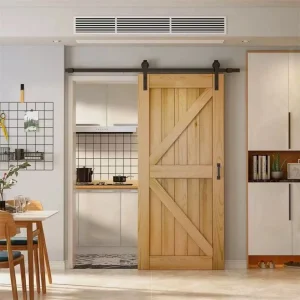
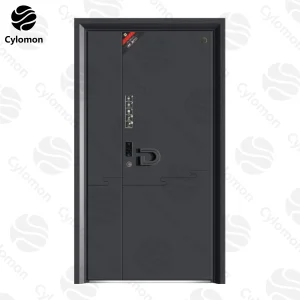
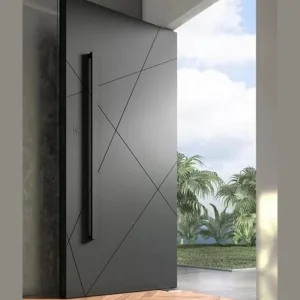
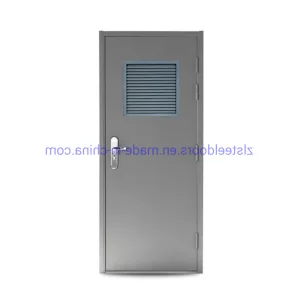
Browse our range of technical solutions, including eco-friendly barn doors, high-capacity pivot entryways, and certified fire-exit doors built to meet rigorous safety and structural standards.
 RZ door