Basic Info
Model NO.:customized
Forming Way:Pultrusion
Shape:Customized
Type:Customized
Material:Fiberglass
Application:Industry, Construction, etc.
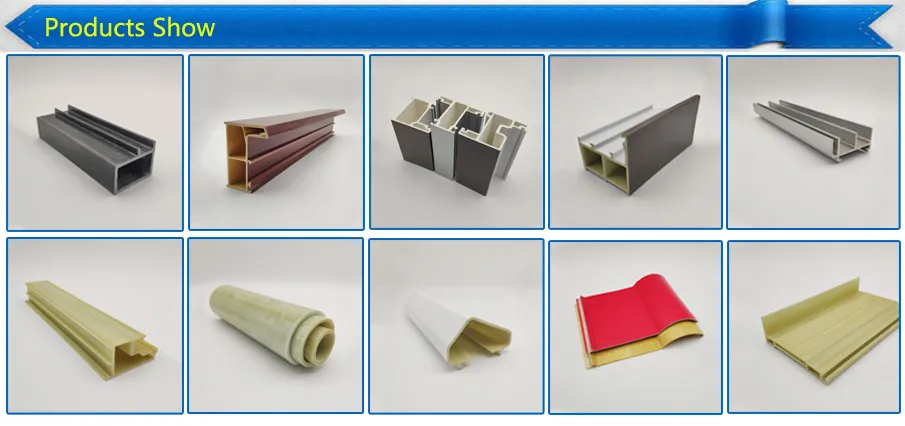
Sectional Dimension:Please Check The Following Chats.
Other Requirements:Negotiable
Transport Package:Standard Carton Packing
Specification:customized
HS Code:39169090
Production Capacity:3000ton/Year
Product Description
| Product Name |
Pultruded fiberglass profiles |
Processing Service |
Cutting |
| Technique |
Pultrusion |
Colour |
Customization |
| Feature |
Corrosion Resistant, Insulating |
Surface |
Smooth |
| Package |
Normal export packaging |
Size |
Customized |
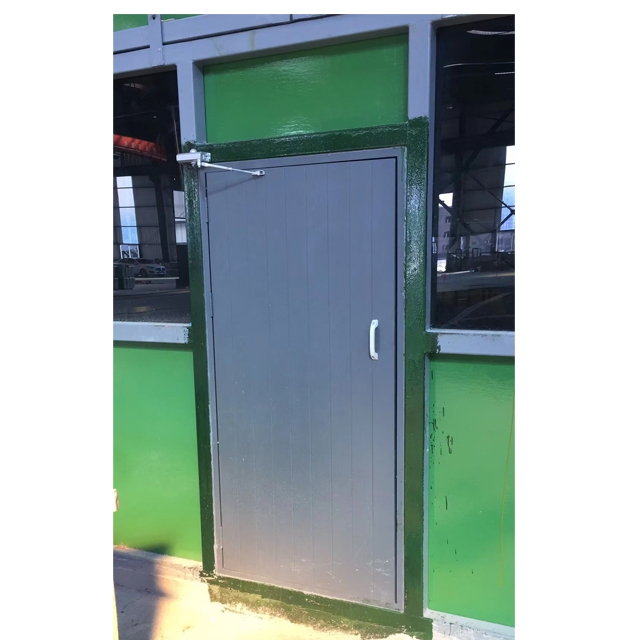
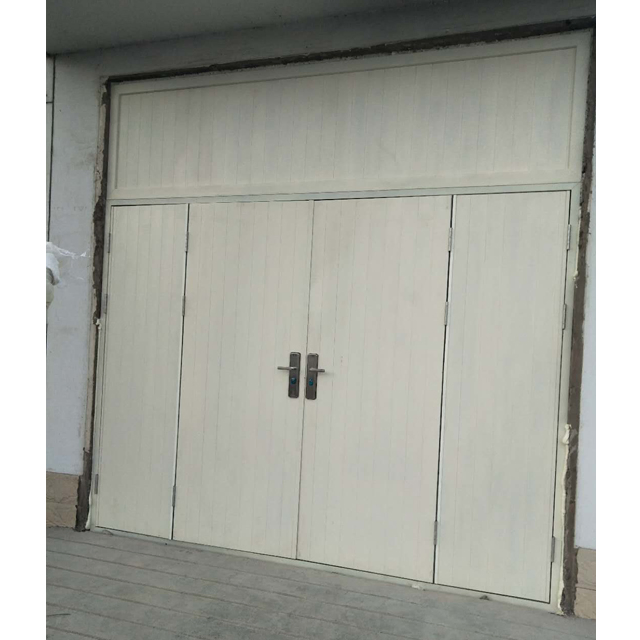
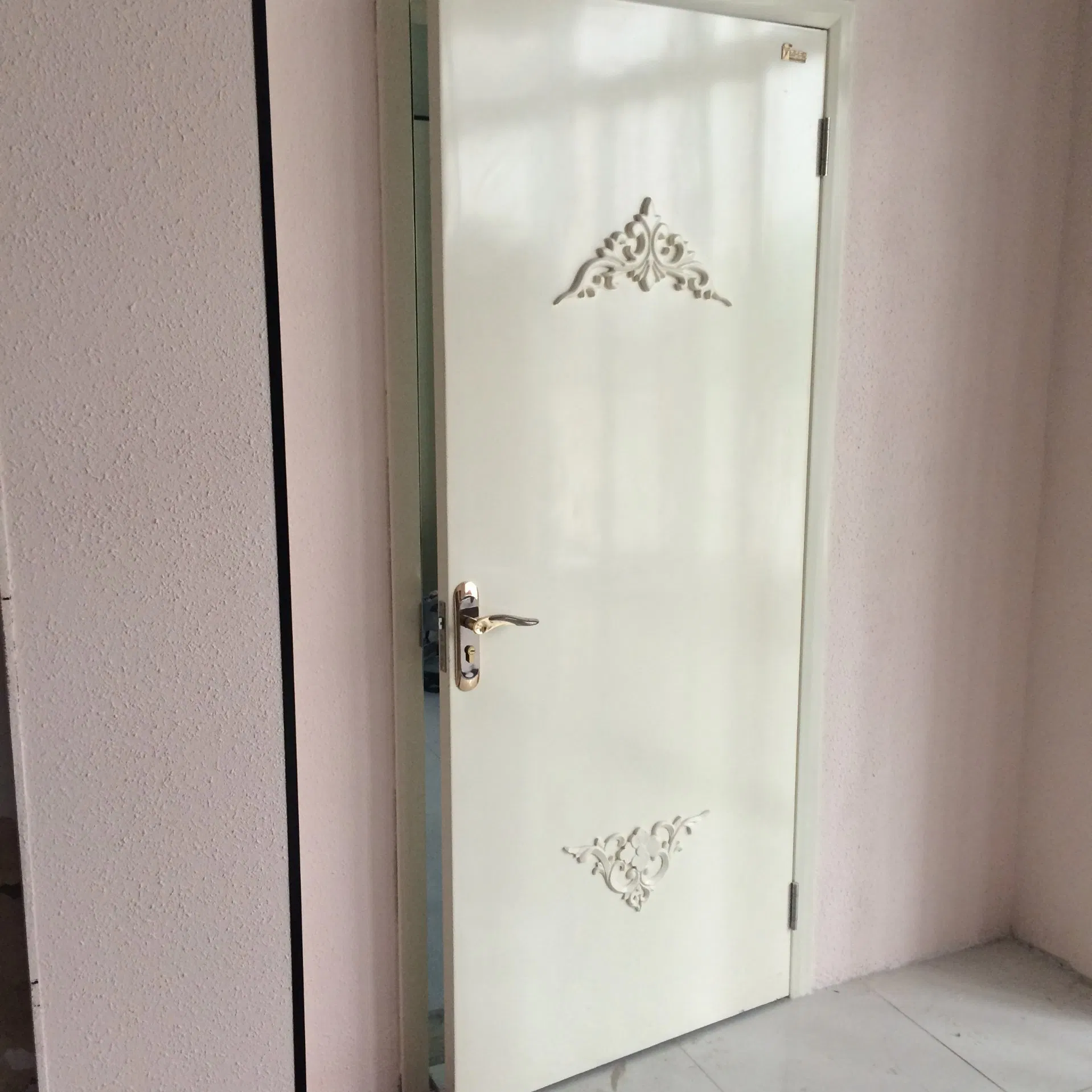
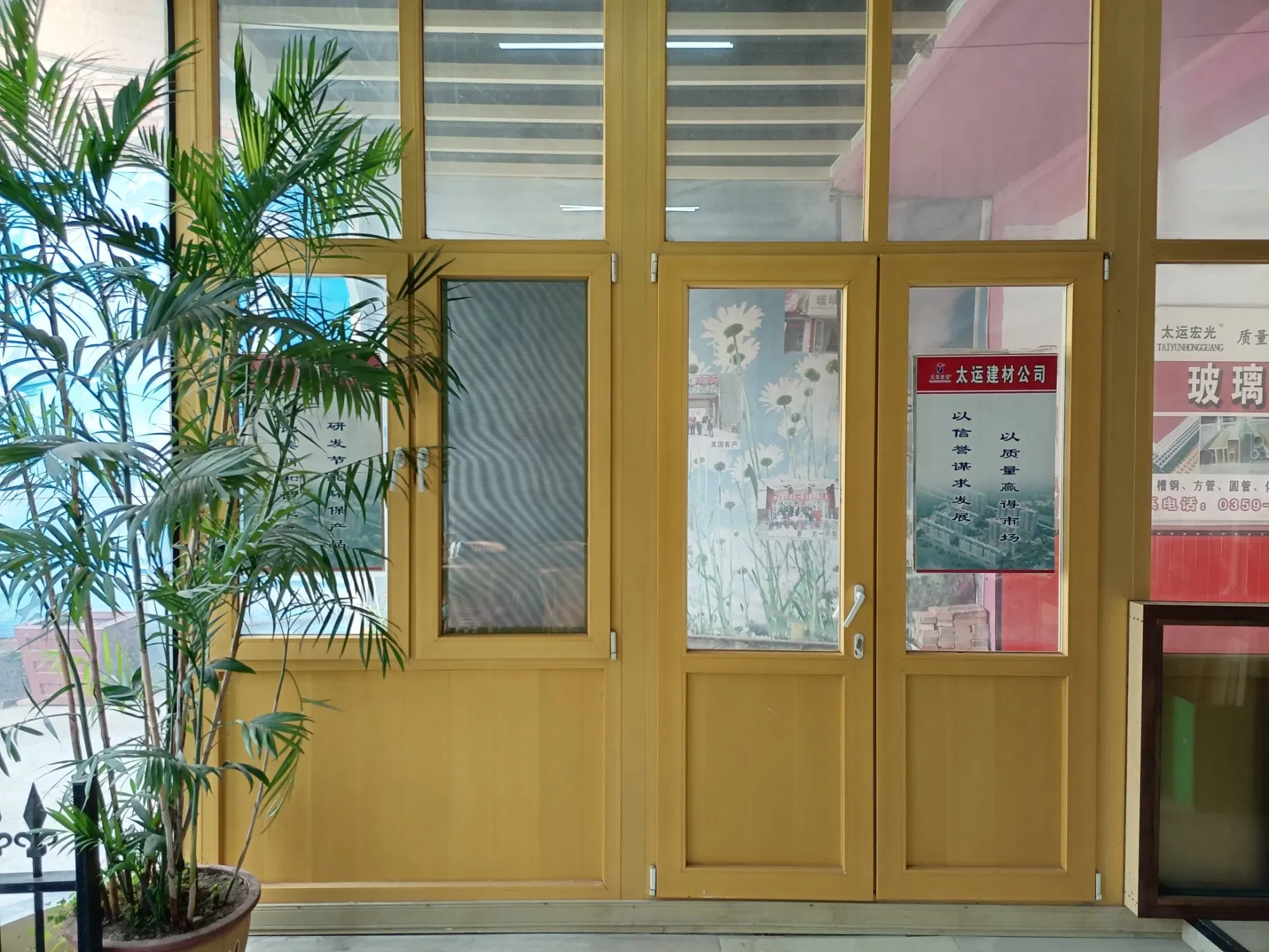
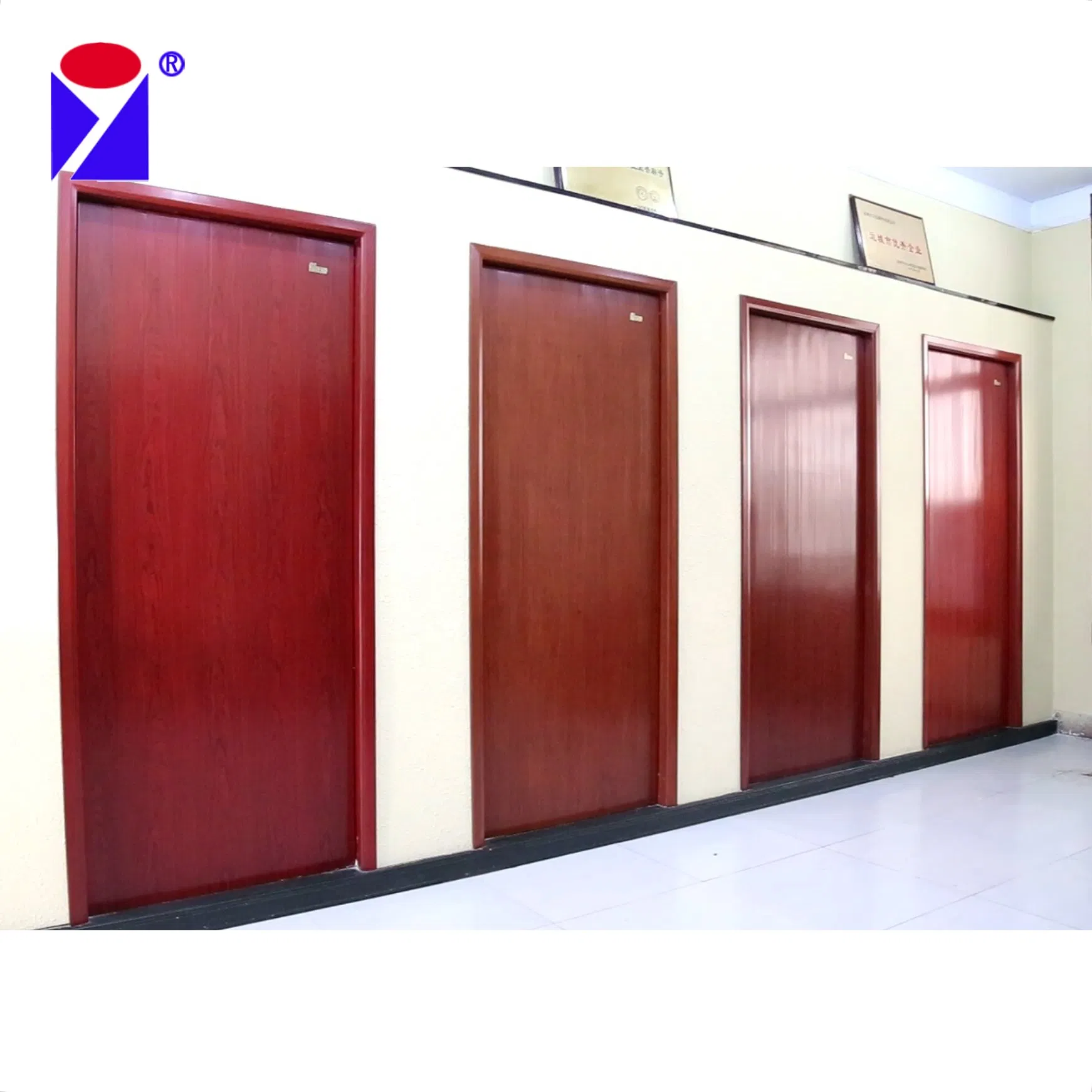
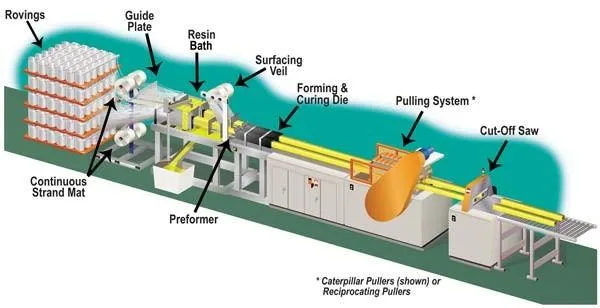
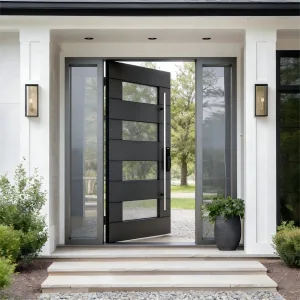
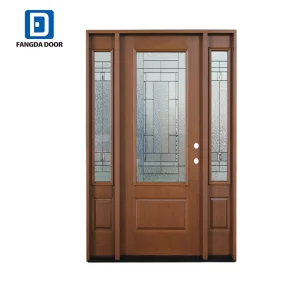
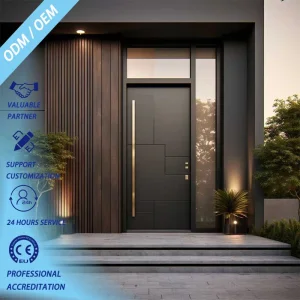
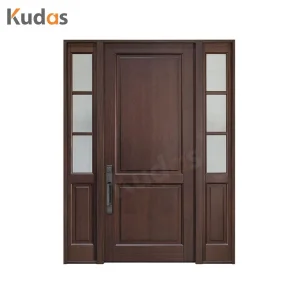
Fiberglass windows and doors: Pultrusion is a continuous process using fiber reinforcements with thermosetting resin matrices. Pre-selected reinforcement materials, such as fiberglass roving, mat, woven fabrics or stitched fabric, are drawn through a resin bath in which all material is thoroughly impregnated with a liquid thermosetting resin. Typical resins include polyesters, vinyl esters and phenolics. The wet-out fiber is formed to the desired geometric shape and pulled into a heated steel die. Once inside the die, the resin cure is initiated by controlling precise elevated temperature. The laminate solidifies in the exact cavity shape of the die, as it is continuously pulled by the pultrusion machine.
Key Features:
- Non-Corrosive
- Lower Life Cycle Cost
- Easy to Fabricate and Install
- Lightweight / High Strength
- High Impact Strength
- Greater Flexural Strength Than Timber
- Dimensionally Stable
- Flame Retardant
- Electrically Non-Conductive
Qualifications & Processing
Processing Technique: FRP Pultrusion production is a continuous production process to produce fiberglass reinforced polymer profiles of any length and constant section. Reinforcement fibers are impregnated with polymer matrix (resin, minerals, pigments, additives) and passed through a pre-forming station. After the pre-forming step, the resin-impregnated fibers are pulled through a heated die to polymerize the resin.
Characteristics of FRP Profiles
1. Long Life: Excellent weather resistance, anti-aging, and long service life. Well-structured and anti-ultraviolet.
2. Large Application Scope: Suitable for window frames, wood, steel, and aluminum assembly. Corrosion-resistant and high strength.
3. Safety: Non-toxic and tasteless.
4. Fire Retardant: Yarn is glass fiber, providing excellent fire resistance.
5. Maintenance: Anti-static, does not collect dust, and provides good ventilation.
6. Visibility: Good transmittance performance with a sense of invisibility.
7. Health Protection: Automatic filter UV radiation to protect family health.
Packing and Shipping
Packing Details:
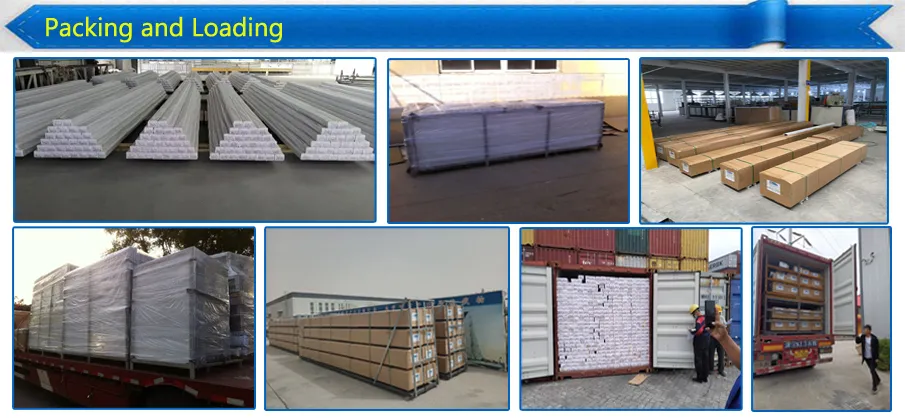
Packed in bulks, woven bags, wood crates, pallets, containers etc.
Delivery Details:
5-30 days after deposit, varies by order quantity.
FAQ
What is FRP?
Fiber Reinforced Polymer (FRP) is a composite material made of a polymer matrix reinforced with fibers (glass, carbon, aramid, etc.). It is widely used in aerospace, marine, and construction industries.
How is product quality guaranteed?
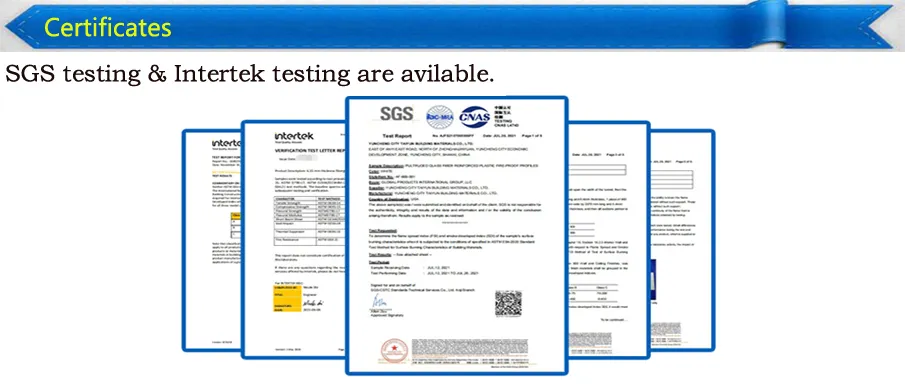
100% of products are tested before delivery. We use high-quality raw materials from verified professional suppliers to ensure consistent quality.
Can we use our own design?
Yes, we can customize products based on your specific requirements and local climate conditions to provide the most reasonable technical solution.
What is the typical production time?
Production usually begins after the deposit is received. The standard lead time is approximately 25 days, depending on the complexity and volume.
Are fiberglass profiles corrosion resistant?
Yes, one of the primary features of pultruded fiberglass profiles is their excellent resistance to corrosion, making them ideal for industrial and outdoor construction.
What applications are these profiles suitable for?
They are widely used in window and door frames, industrial structures, construction supports, and various engineering projects requiring lightweight, high-strength materials.
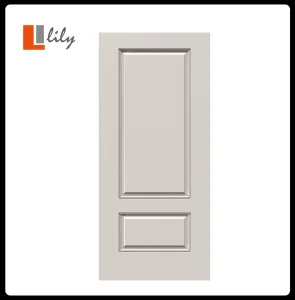
 RZ door